
The Line That Forgot Its Name
Fanyu Lin: A Line That Forgot Its Name
June 5 – June 26, 2026
Curated by Xumeng Zhang
Designed by Minglu Zhong
Chinese American Arts Council | Gallery 456
456 Broadway, 3rd Floor
New York, NY 10003
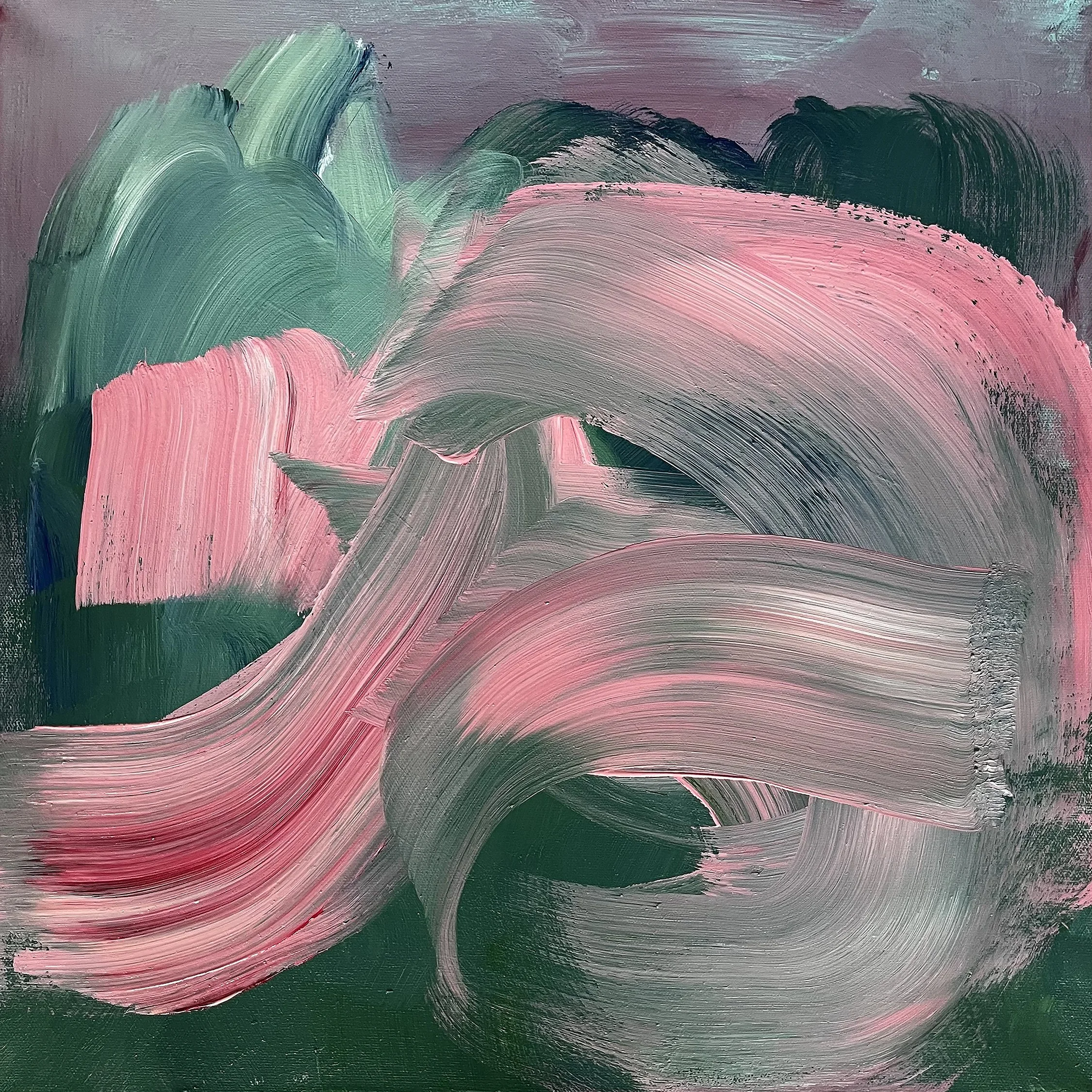
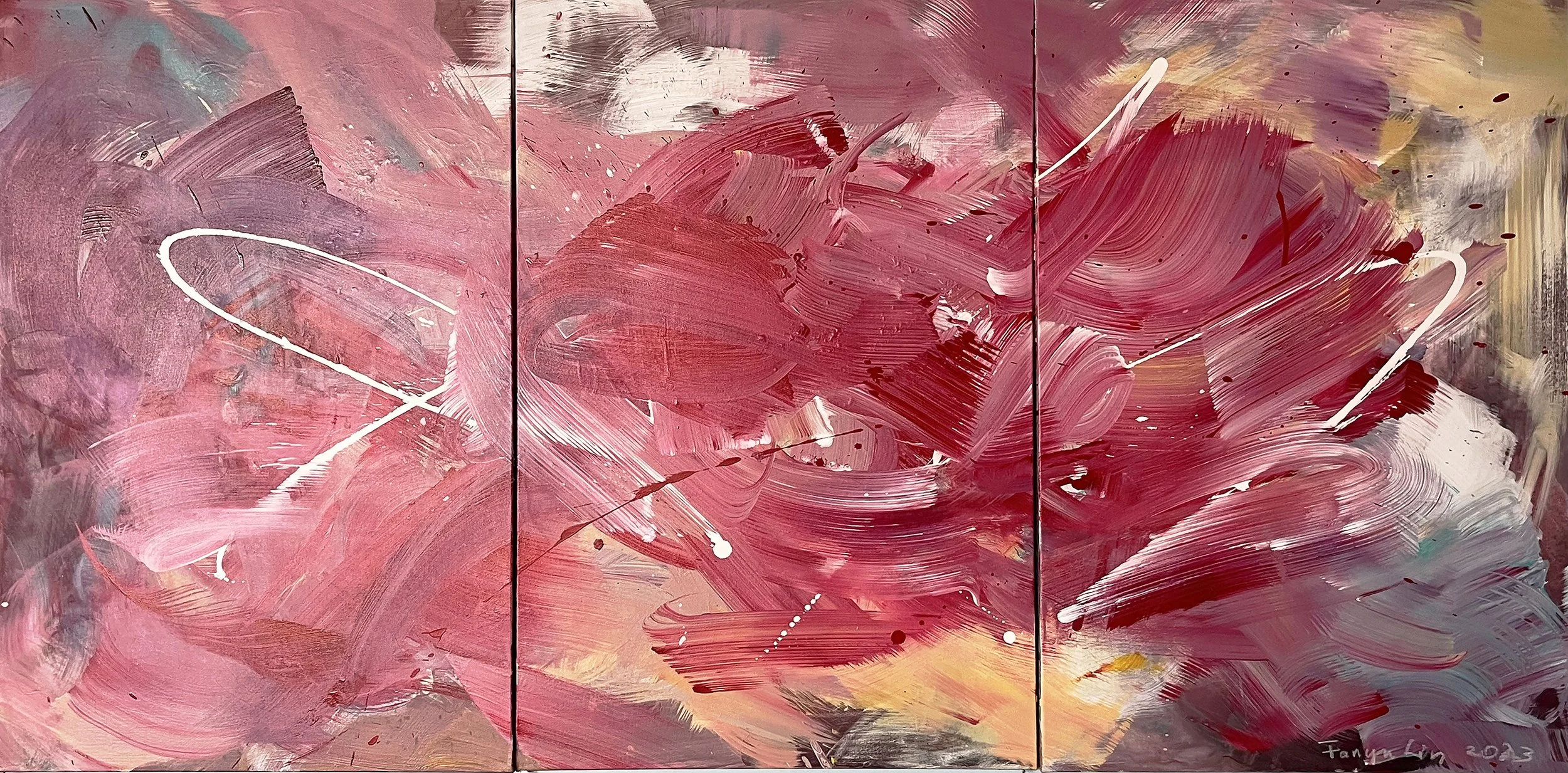
The Line That Forgot Its Name unfolds around the resilience of the “line” as a trace, examining how it expands as a bodily structure. For Fanyu Lin, painting has never been a simple process of image-making generated through the extension of lines across a flat surface, but rather a method of organizing perception, emotion, and spatial relationships. The line, for her, carries both the trace of writing and the bodily weight embedded within painterly gesture. Through continuous repetition, layering, and extension, this movement gradually departs from language’s original function and meaning, turning instead toward a more open formal condition.
Fanyu Lin’s practice initially emerged from art therapy. At this stage, the generation of lines functioned first and foremost as a mechanism of perception rather than a result-oriented visual production. The validity of a trace did not depend on technique, completion, or public legibility, but originated from bodily movement itself. Emotion, attention, and breath became organized through the line, allowing painting to operate as a process of mediation between the body and internal experience. This experience also informed her later and sustained engagement with “writing,” another term deeply connected to the line.
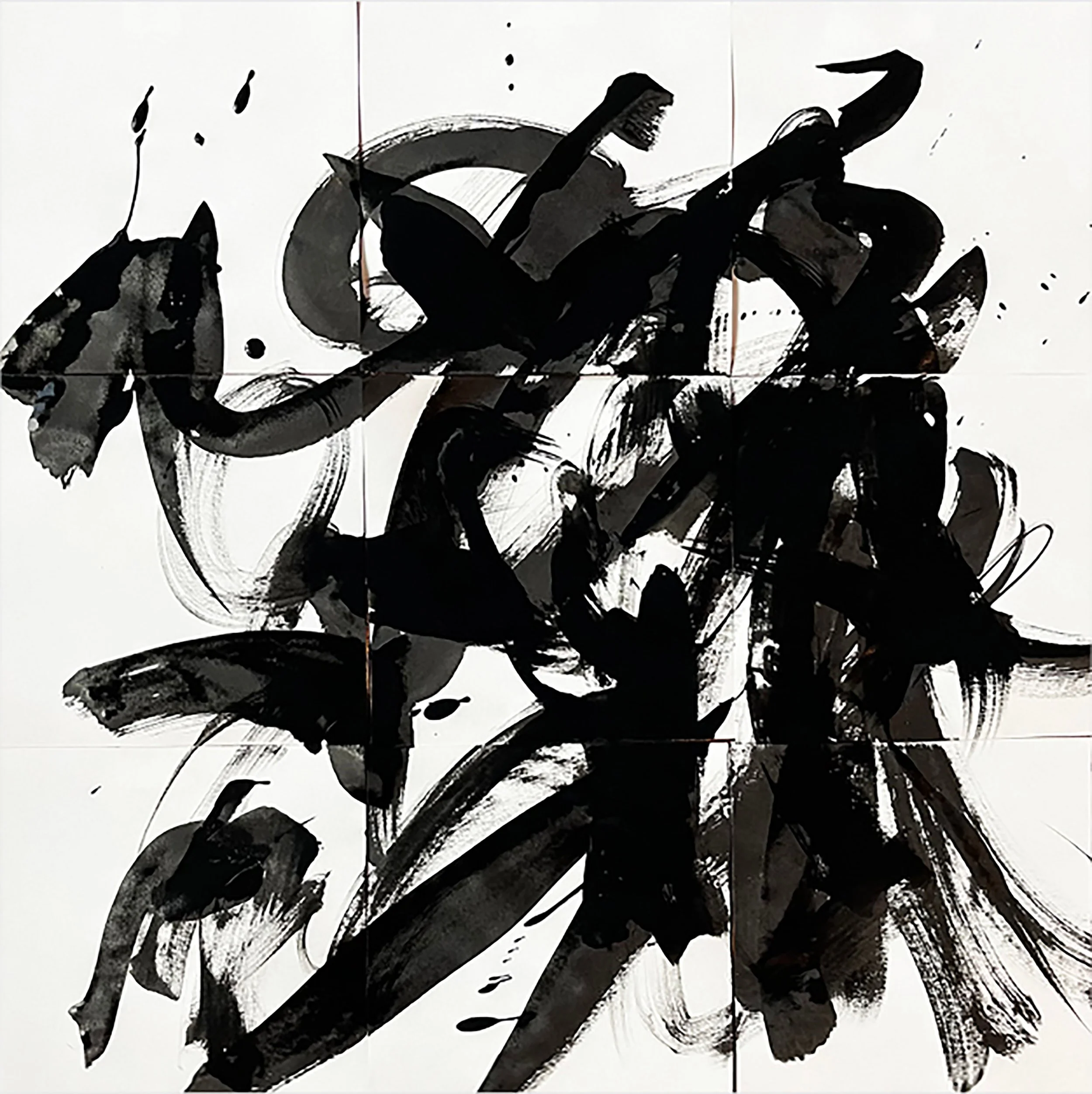
Writing has consistently formed the core structure of Fanyu Lin’s practice. From semantically legible text, to the repetitive copying of the Heart Sutra, to immediate notes, poetry, and abstract forms of writing-drawing, her work continuously occupies a space between language and movement. Repetition here is not a form of mechanical duplication, but a process of internal calibration. This development was also deeply influenced by the practice of Cy Twombly. Twombly repeatedly destabilized language through marks that approached writing, leaving text suspended between legibility and illegibility. For Fanyu Lin, however, calligraphy and lived experiences of writing became the primary entrance into painting. Through repeated inscription, layering, and the extension of gesture, language gradually detaches itself from its original semantic function and ultimately transforms into a more bodily formal structure.
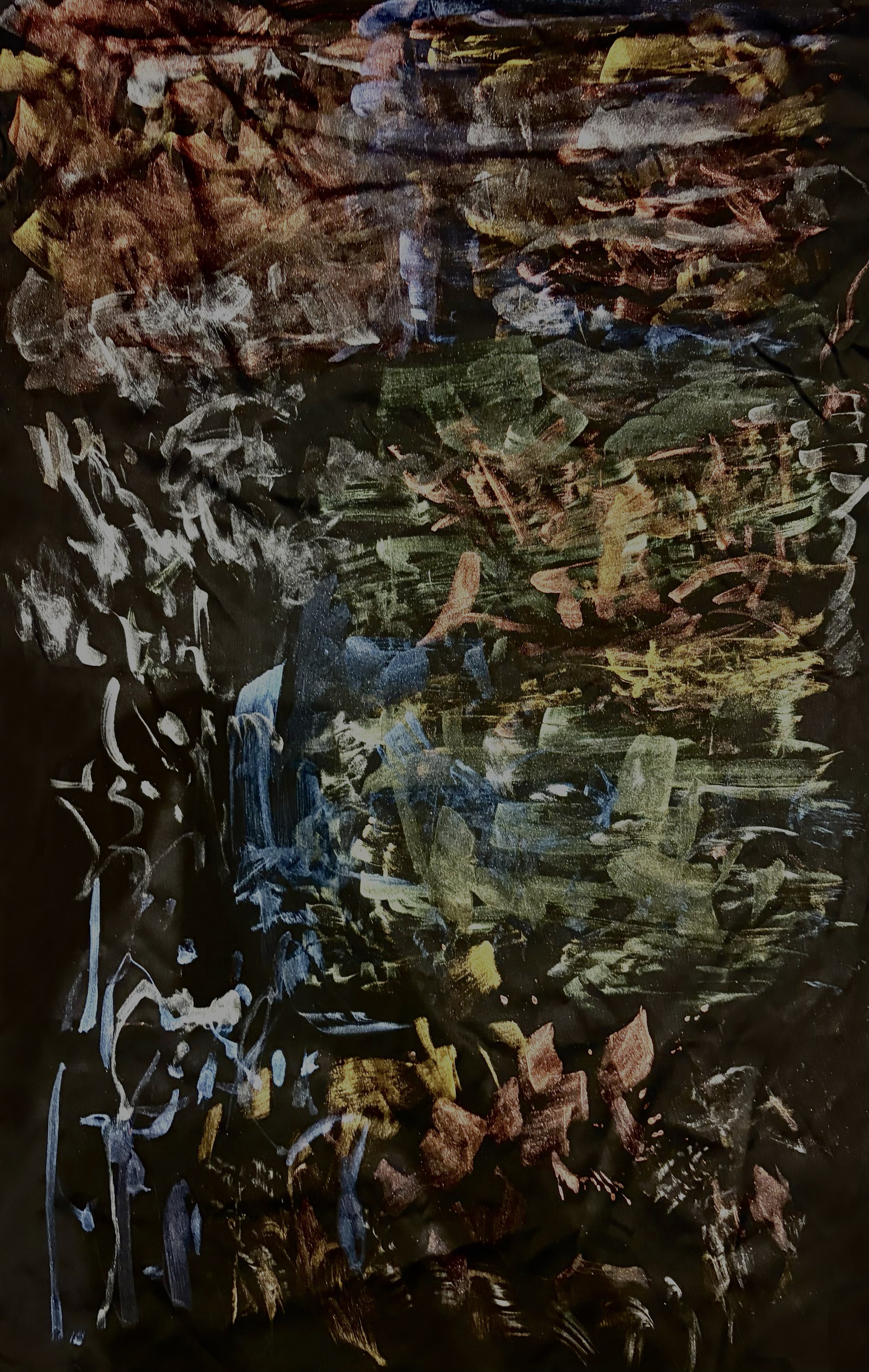
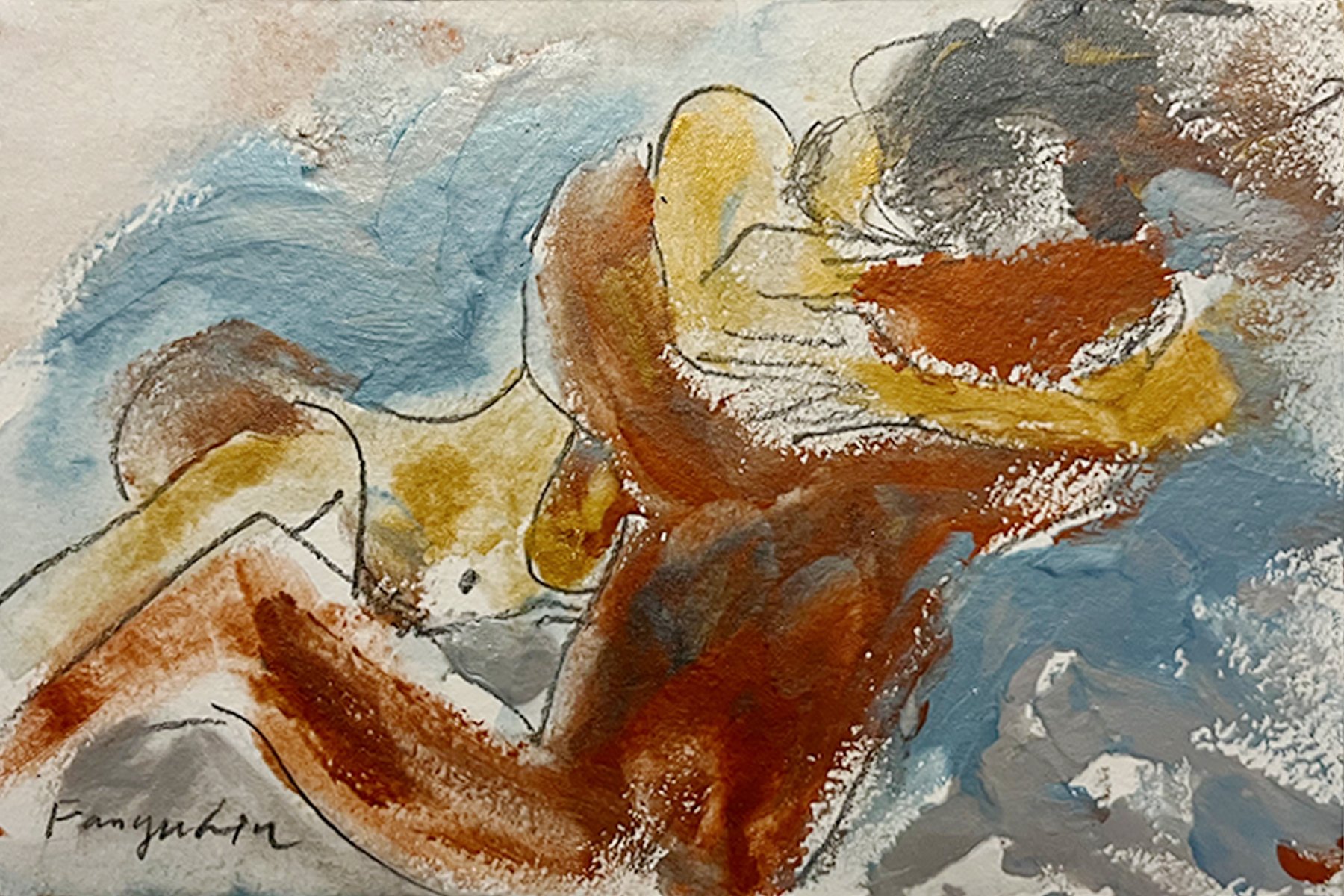
The Embrace series marks an important point of departure through which Fanyu Lin moves from emotional experience into structures of writing. Though modest in scale, the seven works on paper maintain an intense bodily intimacy. For the artist, embracing has always been both an important mode of emotional transmission and a means of reestablishing connection between the body and the external world. Using fingers and through calligraphic lines and highly fluid paint, she extends bodily sensation onto the surface of paper. Movement, pressure, and breath are preserved through repeated gestures, allowing “embrace” to shift from a depicted subject into a bodily experience generated through action itself. Emotion enters the line through gesture, while the line, through repetition and viewing, returns once again to the body, forming a continuous circuit of perception.
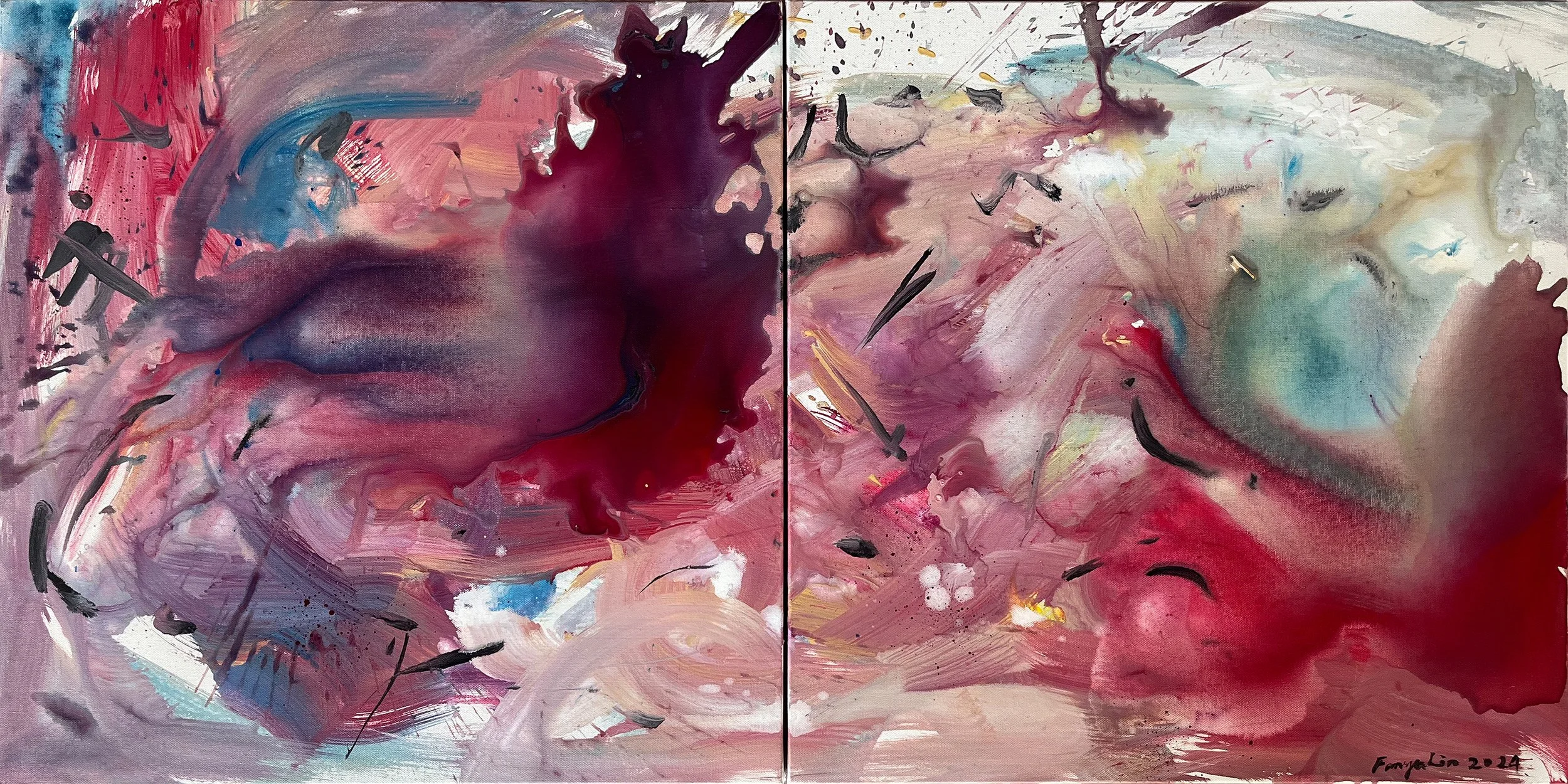
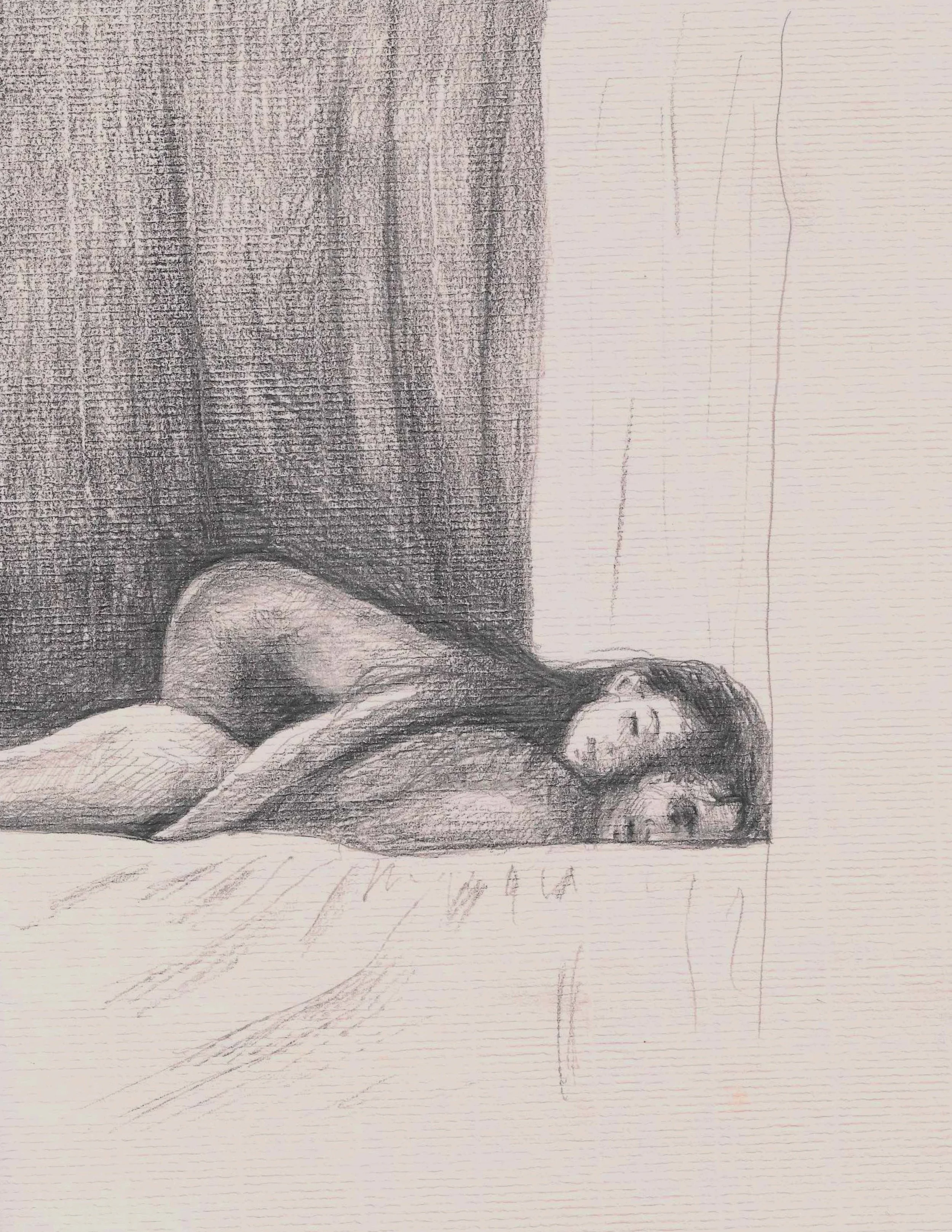
At the same time, Fanyu Lin’s architectural background provides another important structure within her work. The scale, balance, spatial order, and bodily relationships embedded within architectural training continue to shape the ways in which she organizes pictorial space. Even in her later, denser, and more explosive paintings, the works retain a strong sense of spatial organization. The movement of brushstrokes, the placement of negative space, the tensions between fields of color, and the unfolding of the body within the picture plane all demonstrate a sustained sensitivity toward structure and spatial relations. Her paintings therefore, do not remain solely at the level of emotional release, but also attempt to articulate a dynamic construction of space.
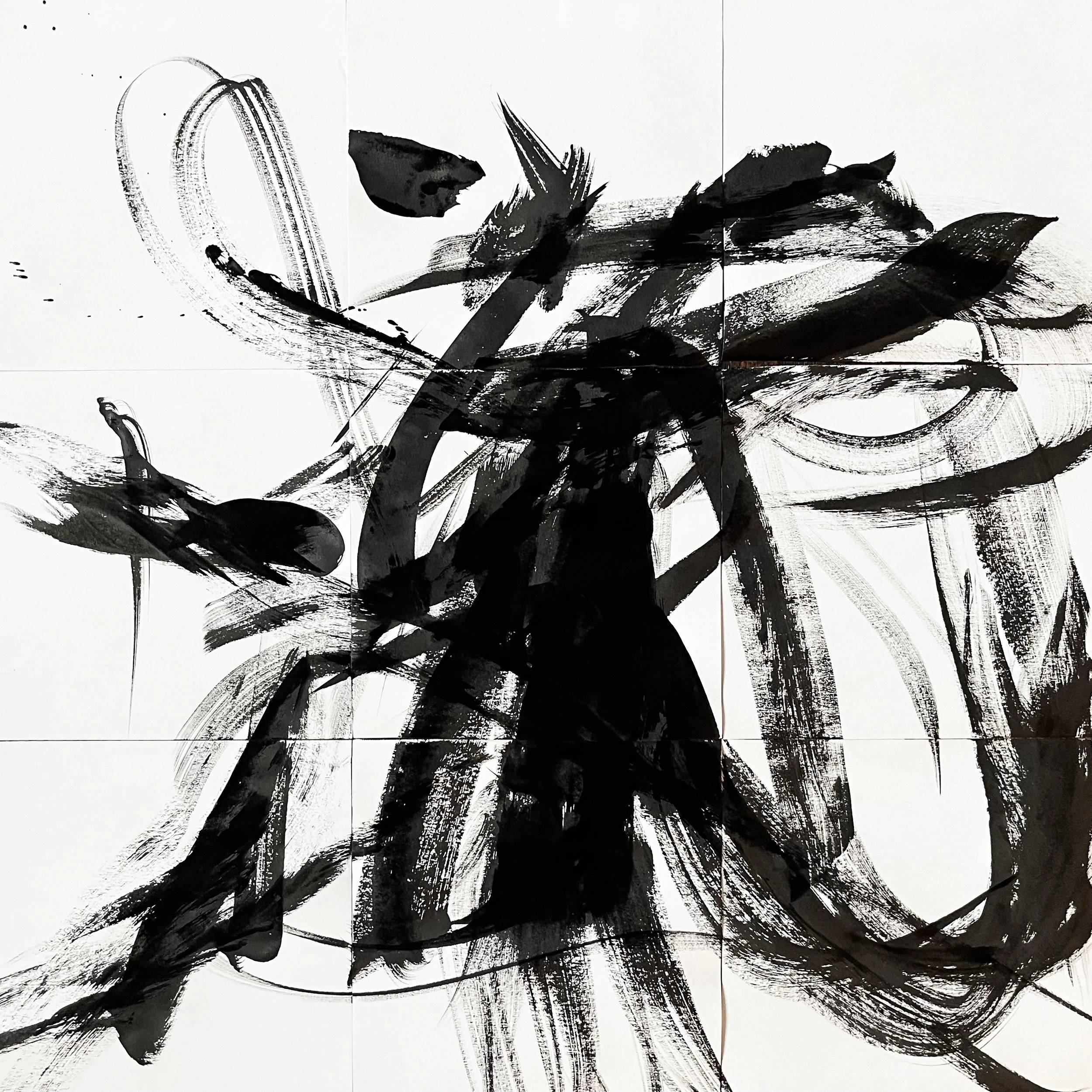
In the work I Will Protect Her From You, this spatial organization is pushed further into a highly concentrated emotional structure. The large mass of black brushstrokes gathered at the center creates an overwhelming sense of pressure, like a gravitational force collapsing inward, keeping the entire composition in a state of tension and instability. At the same time, countless illegible white inscriptions spread outward across the surrounding space. Retaining the speed, pressure, and directional movement of writing, these marks have nevertheless detached themselves from stable linguistic function, becoming closer to trajectories of action driven by emotion, almost resembling Fanyu Lin’s silent outcry within this vortex. Bird-like symbols repeatedly emerge only to become obscured again, leaving the image suspended between recognition and dissolution. Body, text, and space are no longer clearly separable here, but collectively generate a continuous perceptual state through repeated layering, compression, and expansion. Emotion in this work is never directly narrated, but reorganized through relationships of force within space itself. This approach also extends one of the central experiences of art therapy: painting is not the representation of emotion, but the process through which emotion regains form through gesture, structure, and trace.
As her practice develops, writing gradually departs from its original linguistic function and expands through scale, material, and movement. These seemingly abstract images often emerge from figures, gestures, and bodily relationships, yet they remain suspended in a state that never fully stabilizes. The line no longer serves the task of naming or signification, but begins to exist as an independent formal presence. Form therefore ceases to function merely as a supplement to meaning, gradually developing its own logic and life through continuous transformation. The Line That Forgot Its Name does not signify the disappearance of writing, but rather a process of transformation: how the line continues to exist once language begins to loosen, how the body reenters painting, and how form acquires new structures through movement, space, and perception.
— Words by Xumeng Zhang
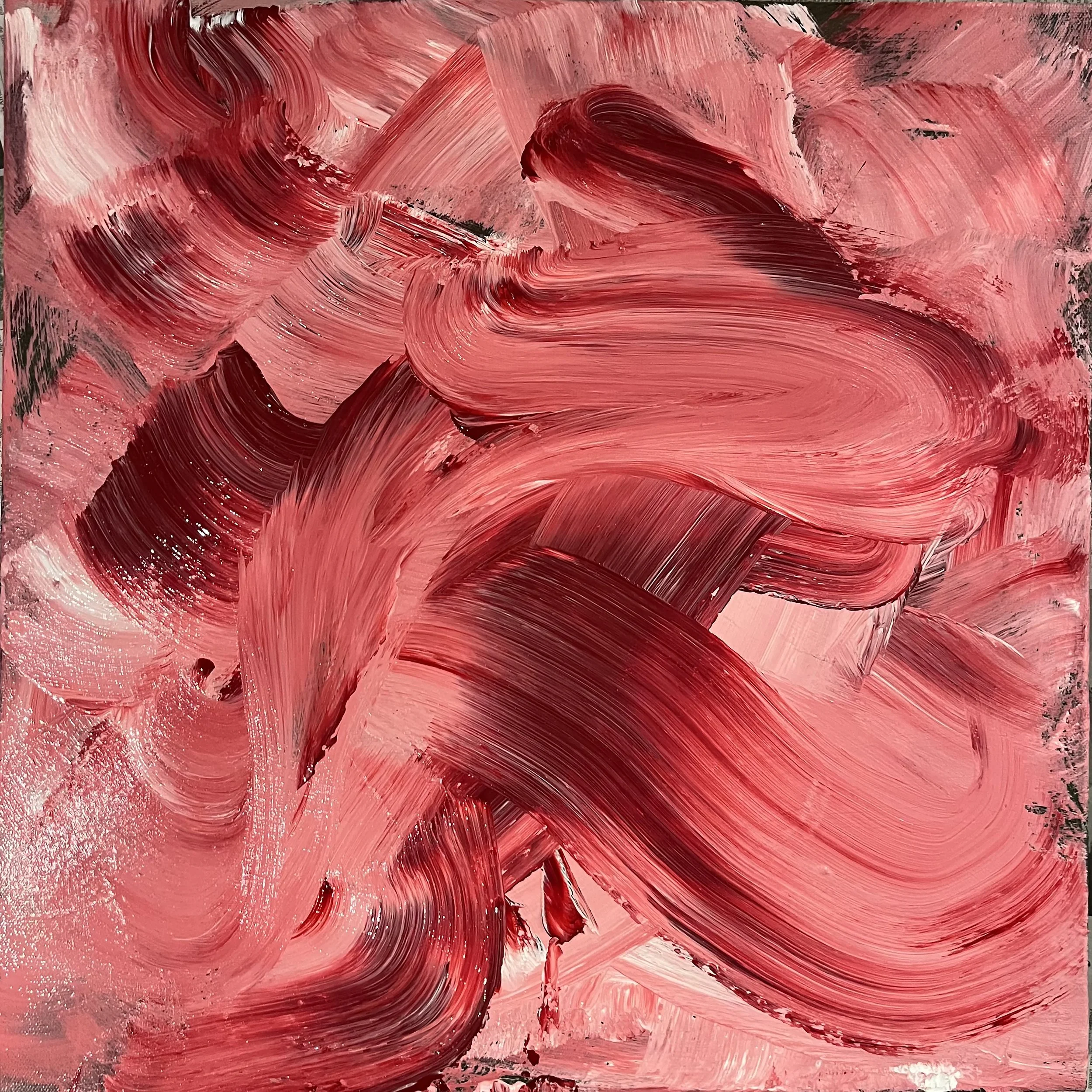
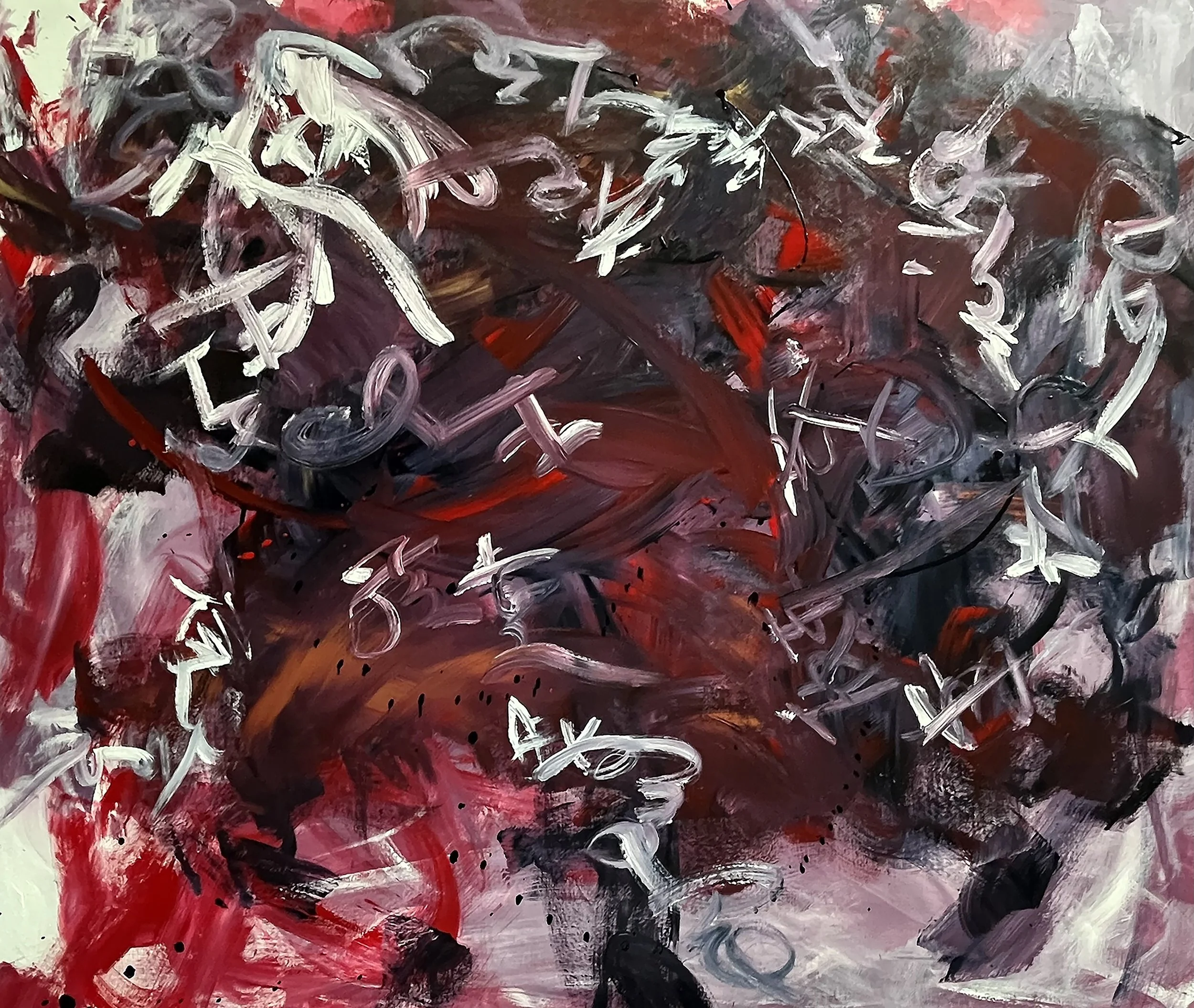
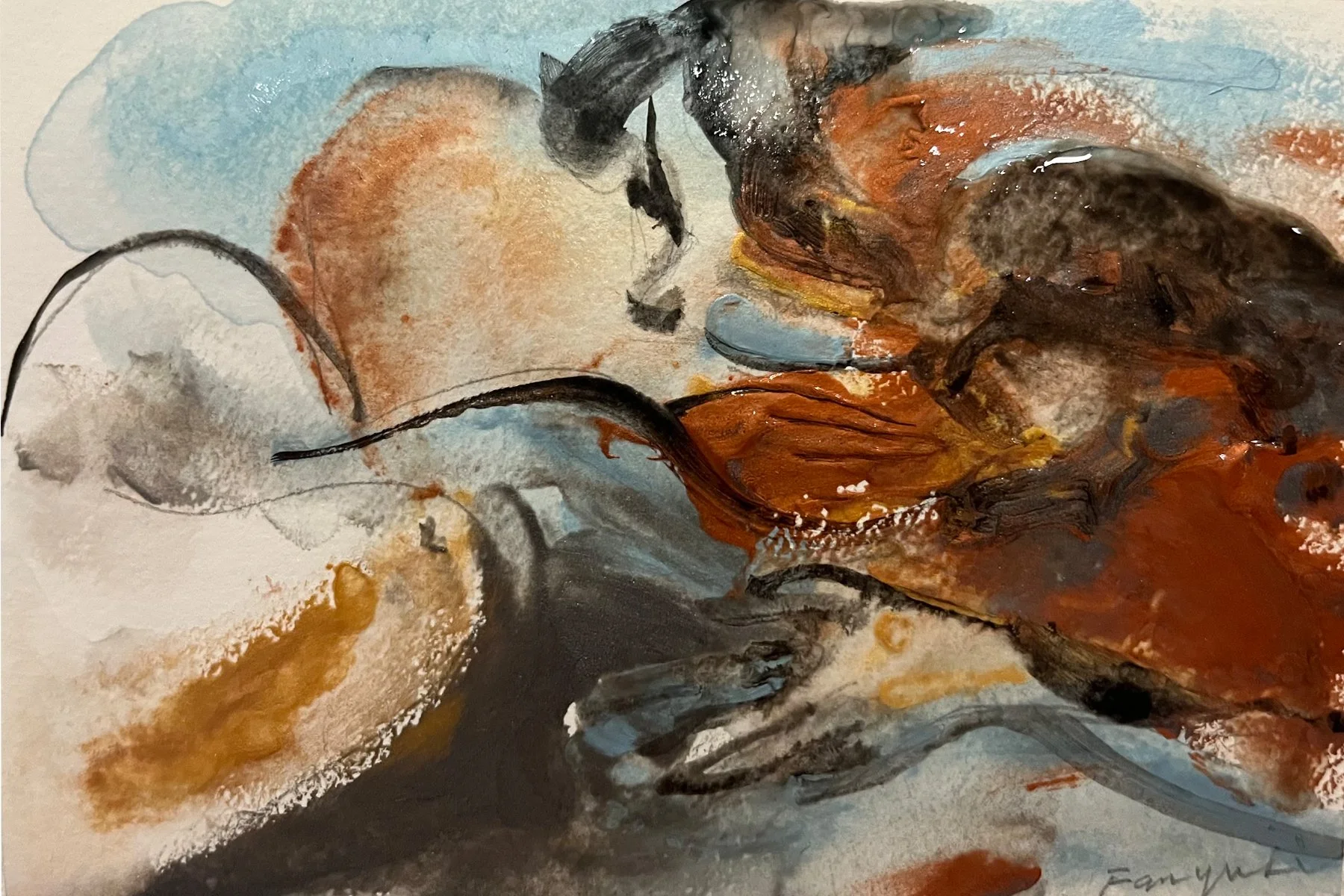
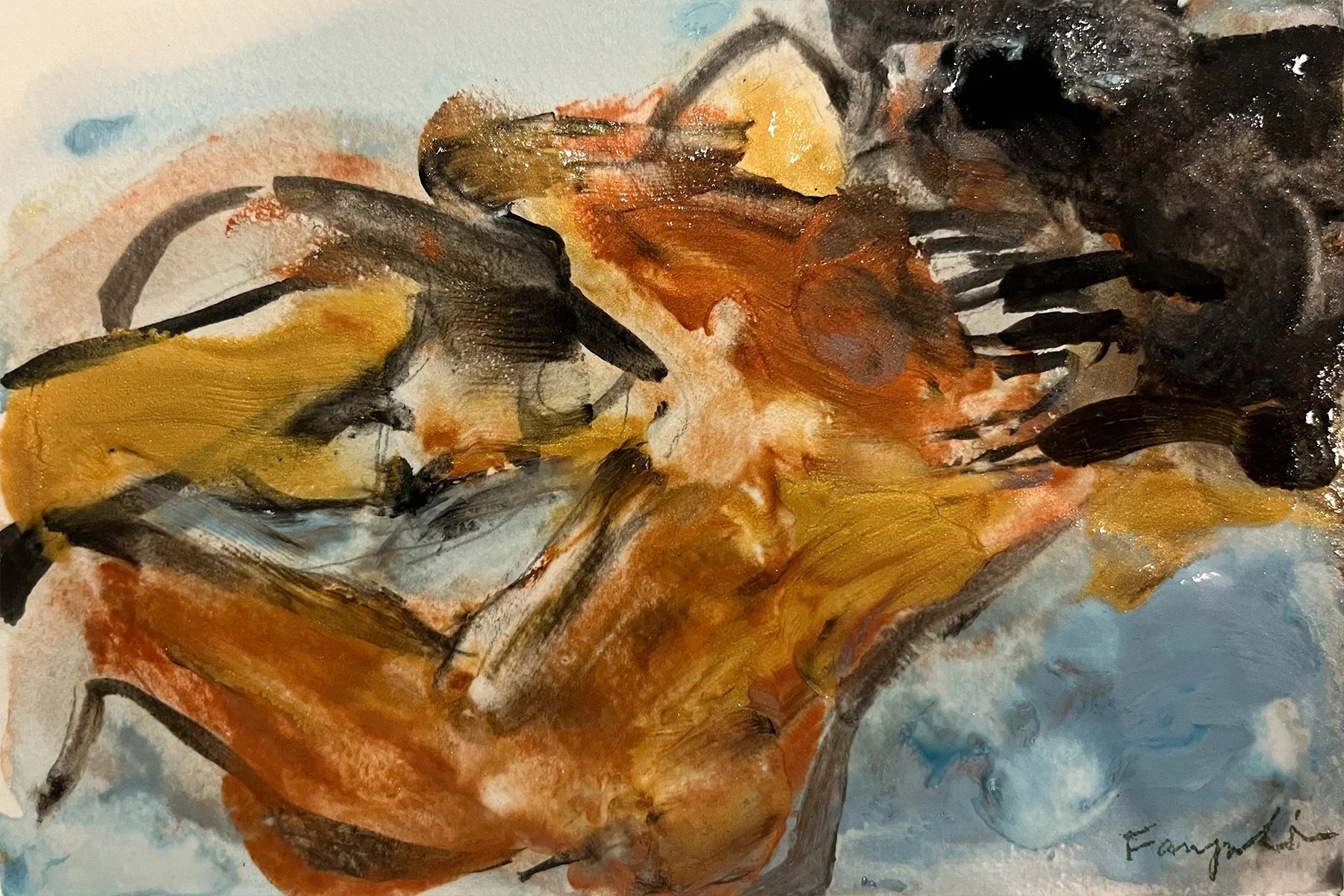
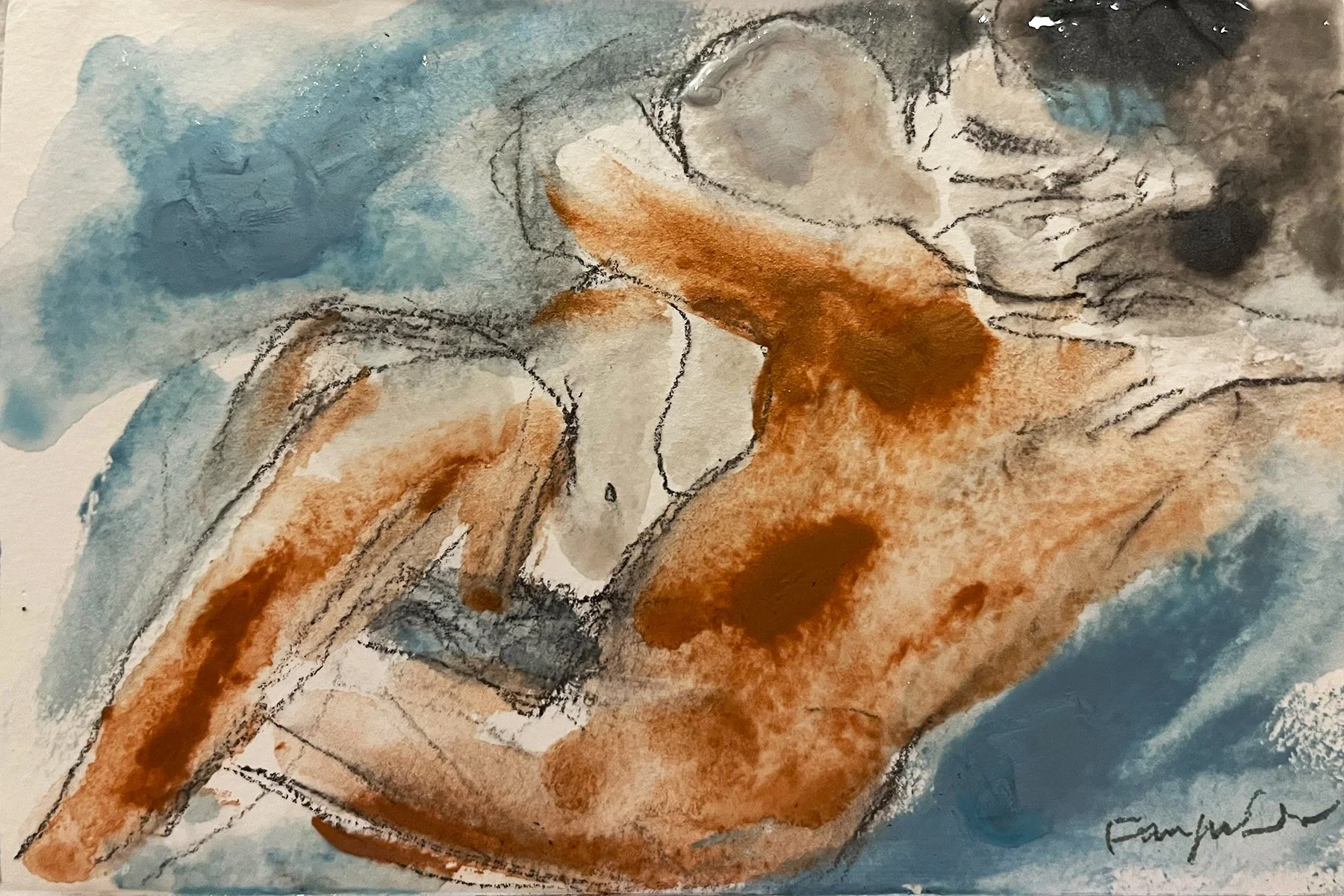
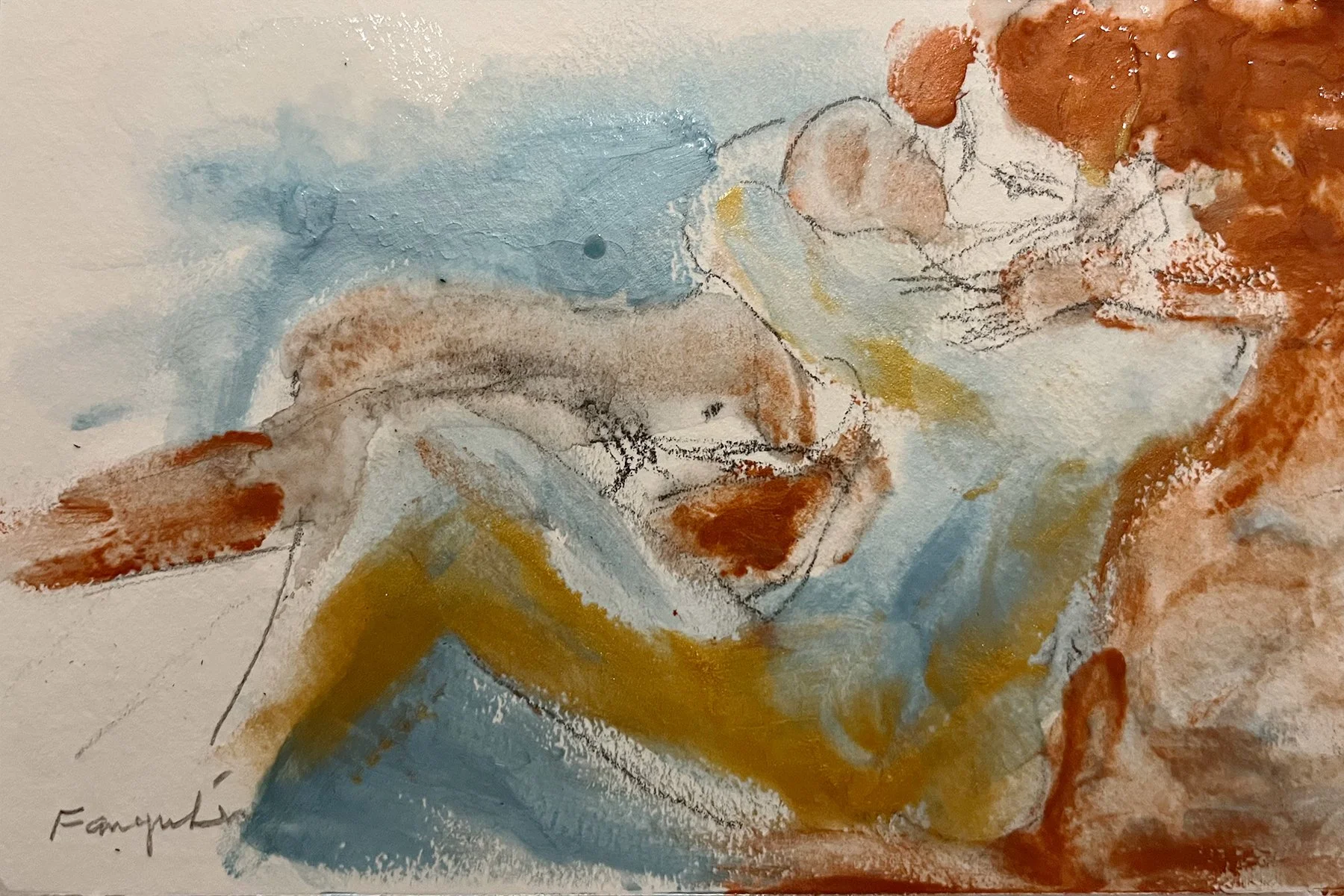
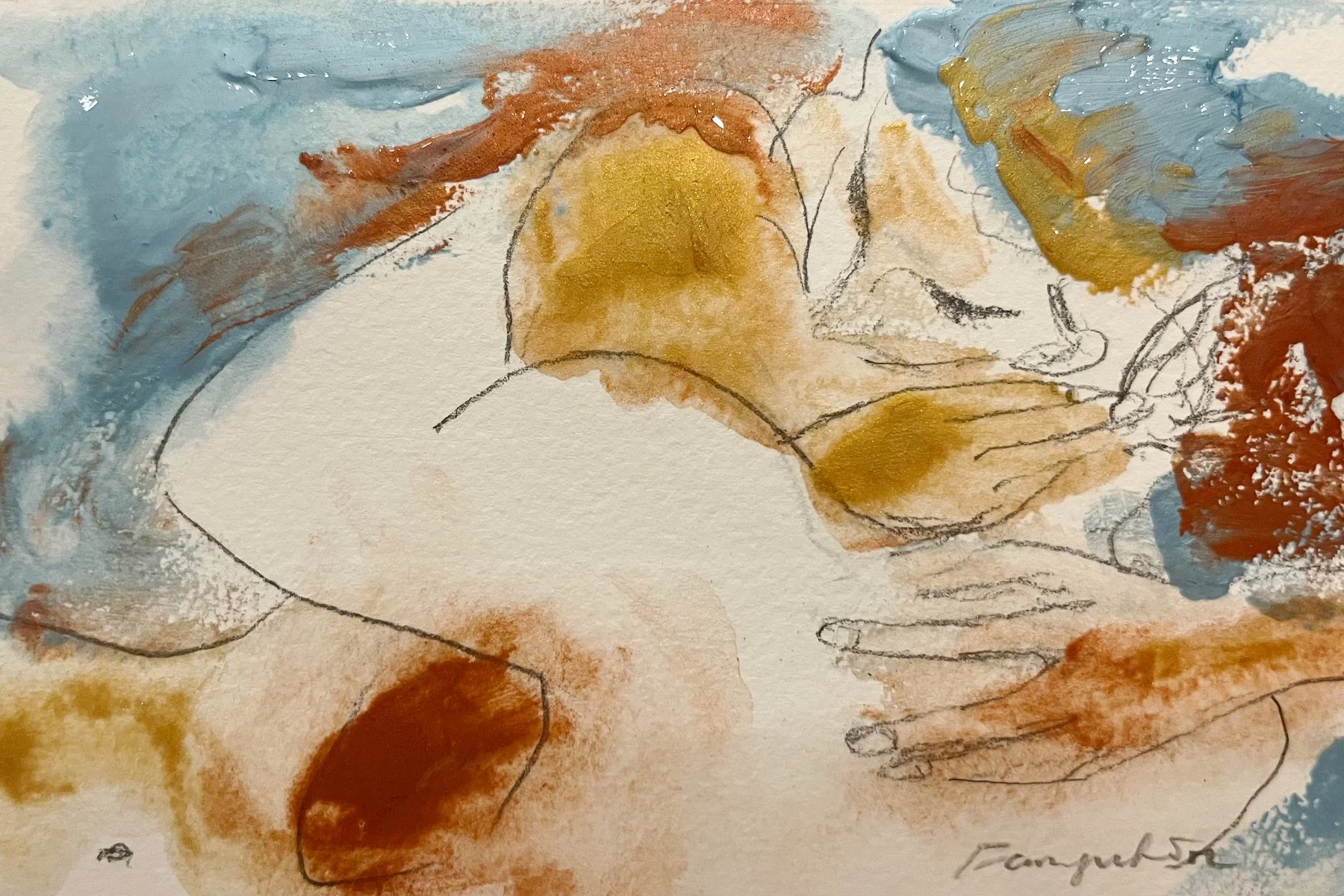
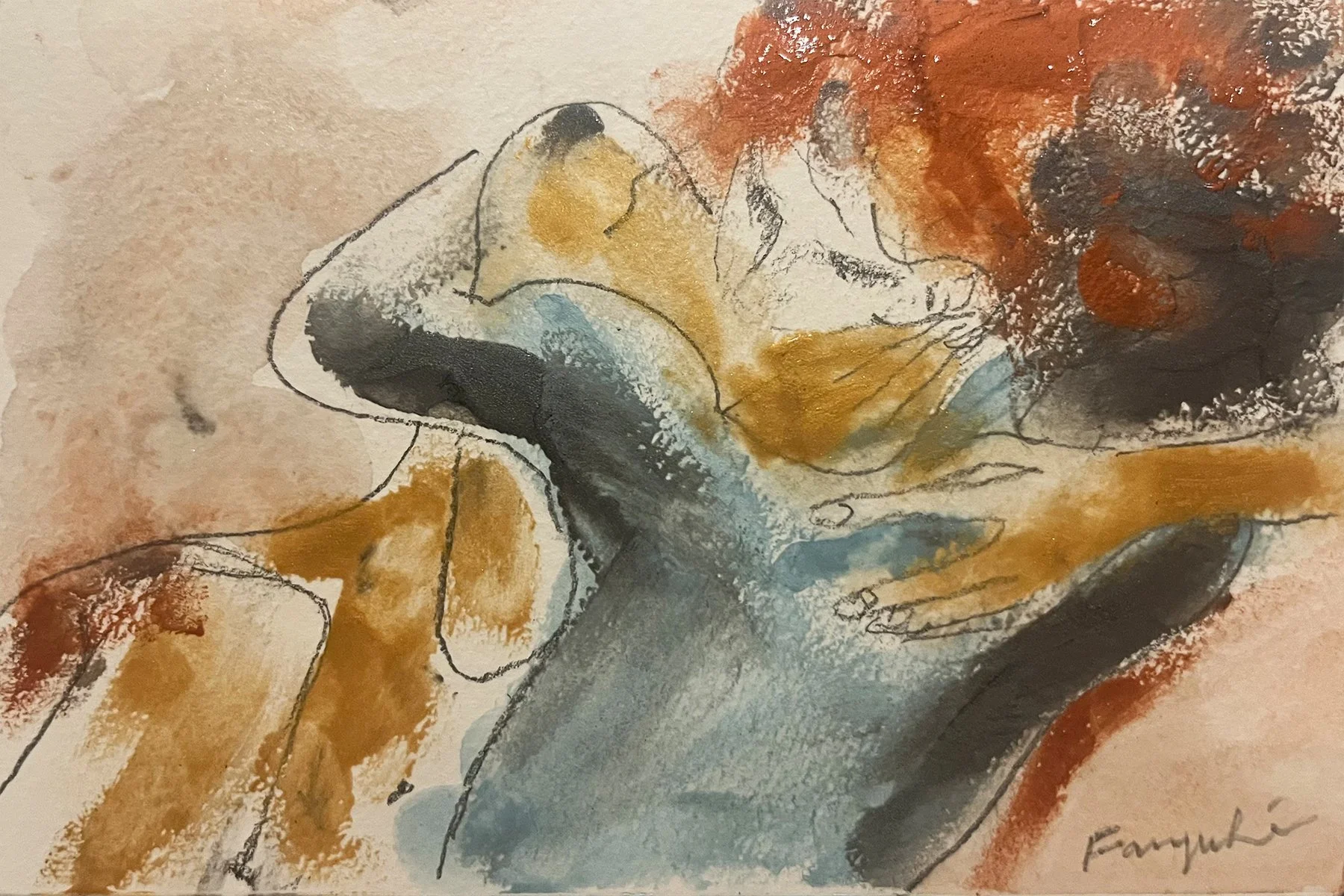
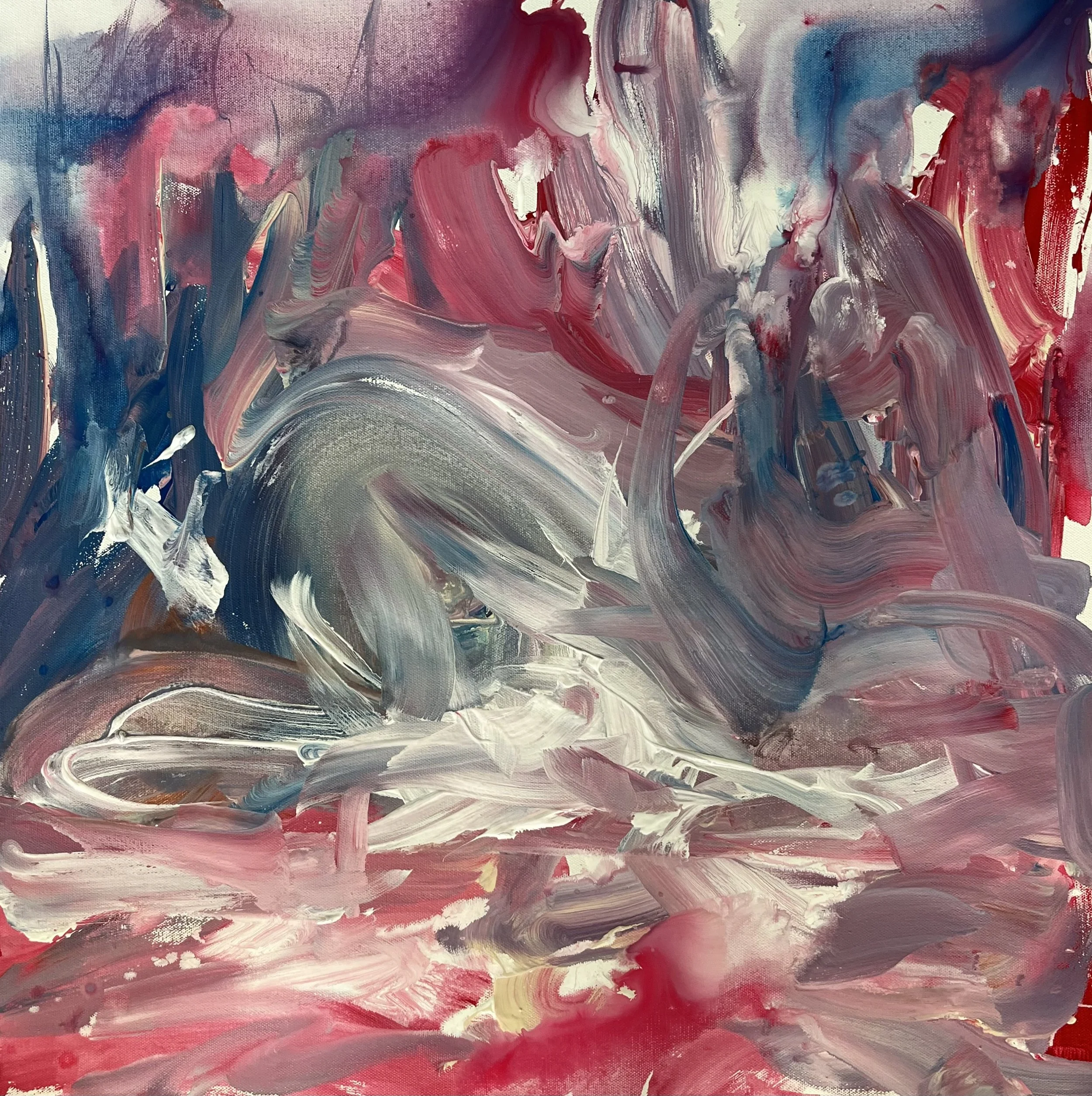
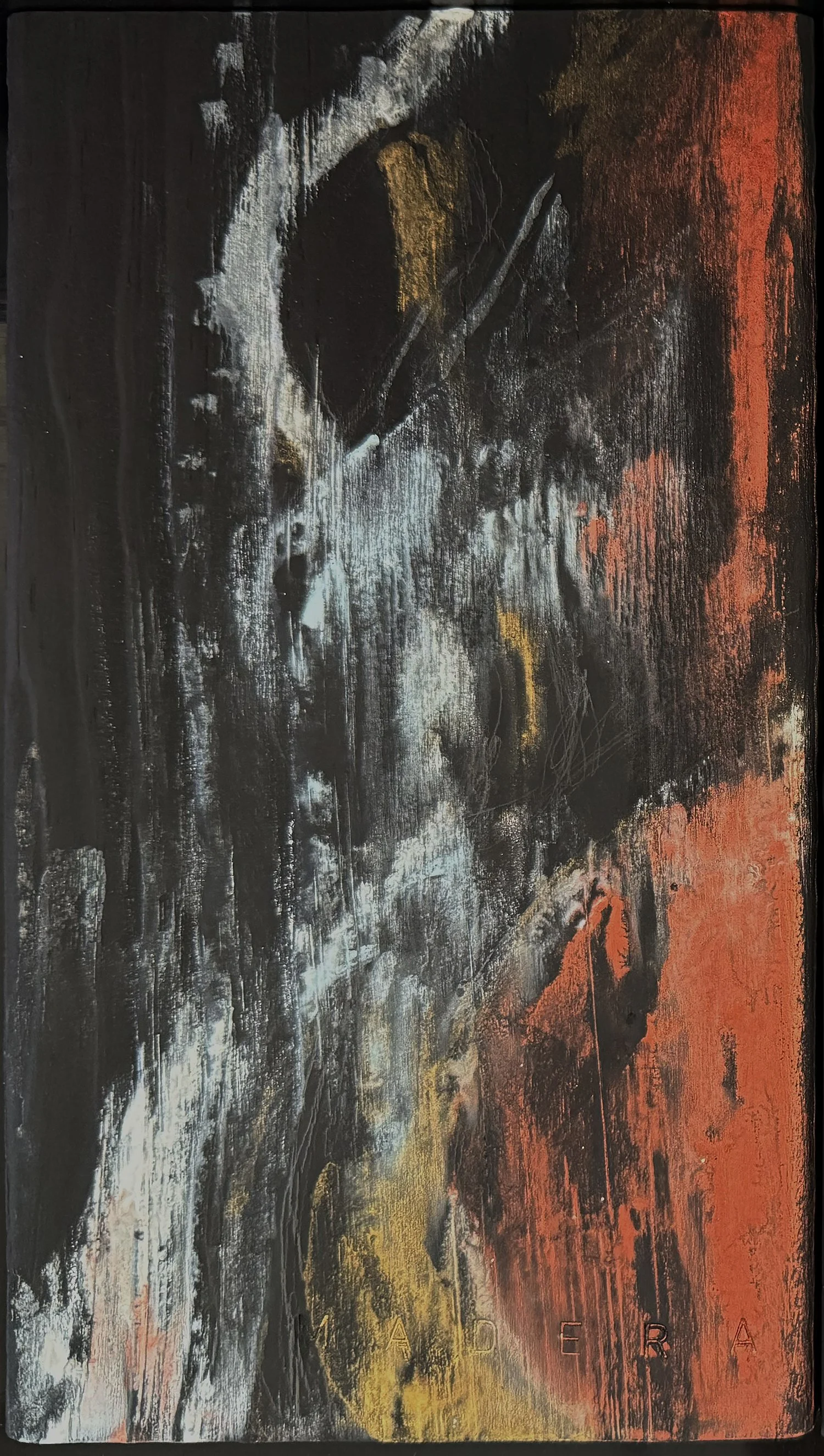
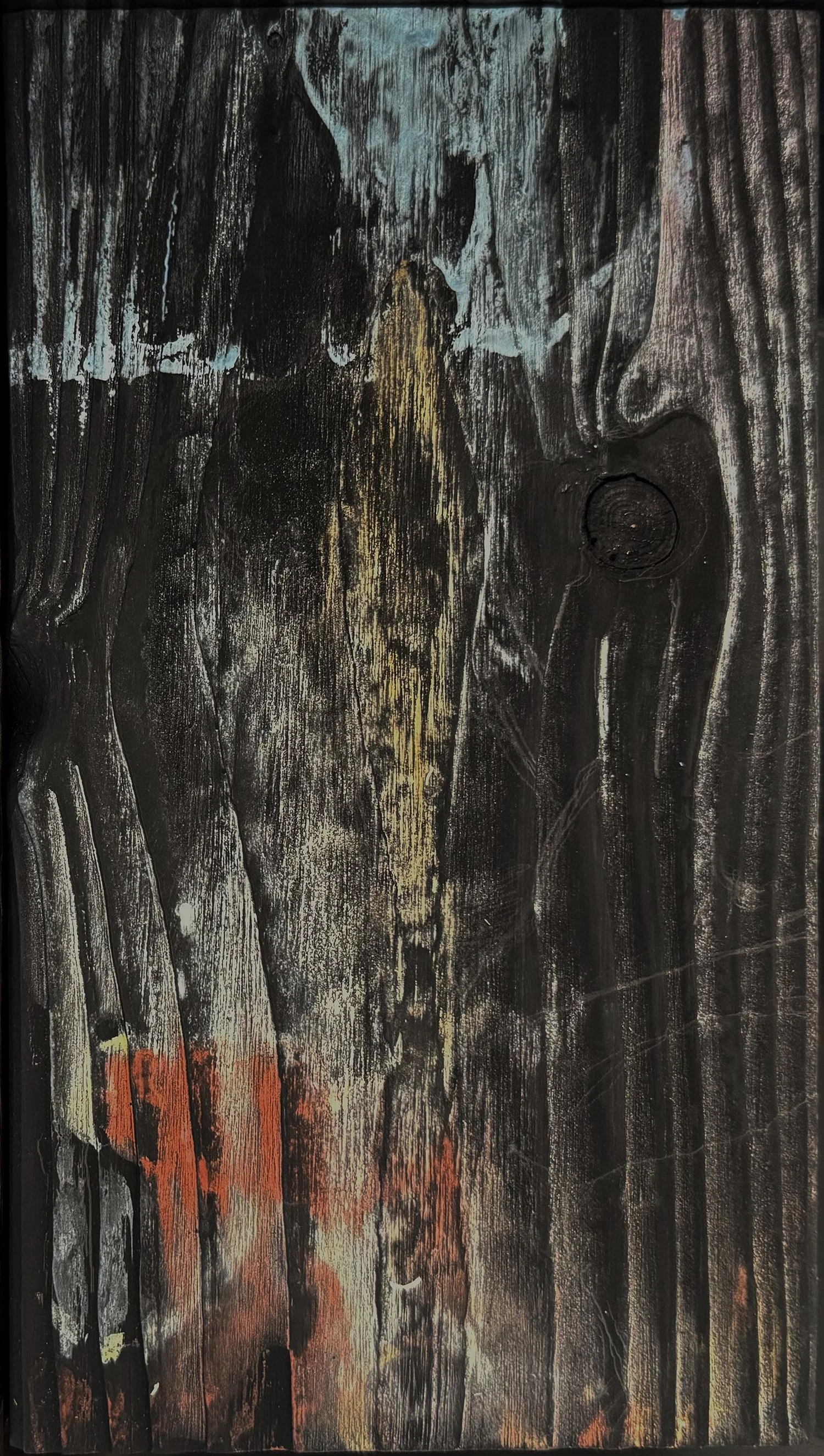
© Fanyu Lin / Artists Rights Society (ARS)


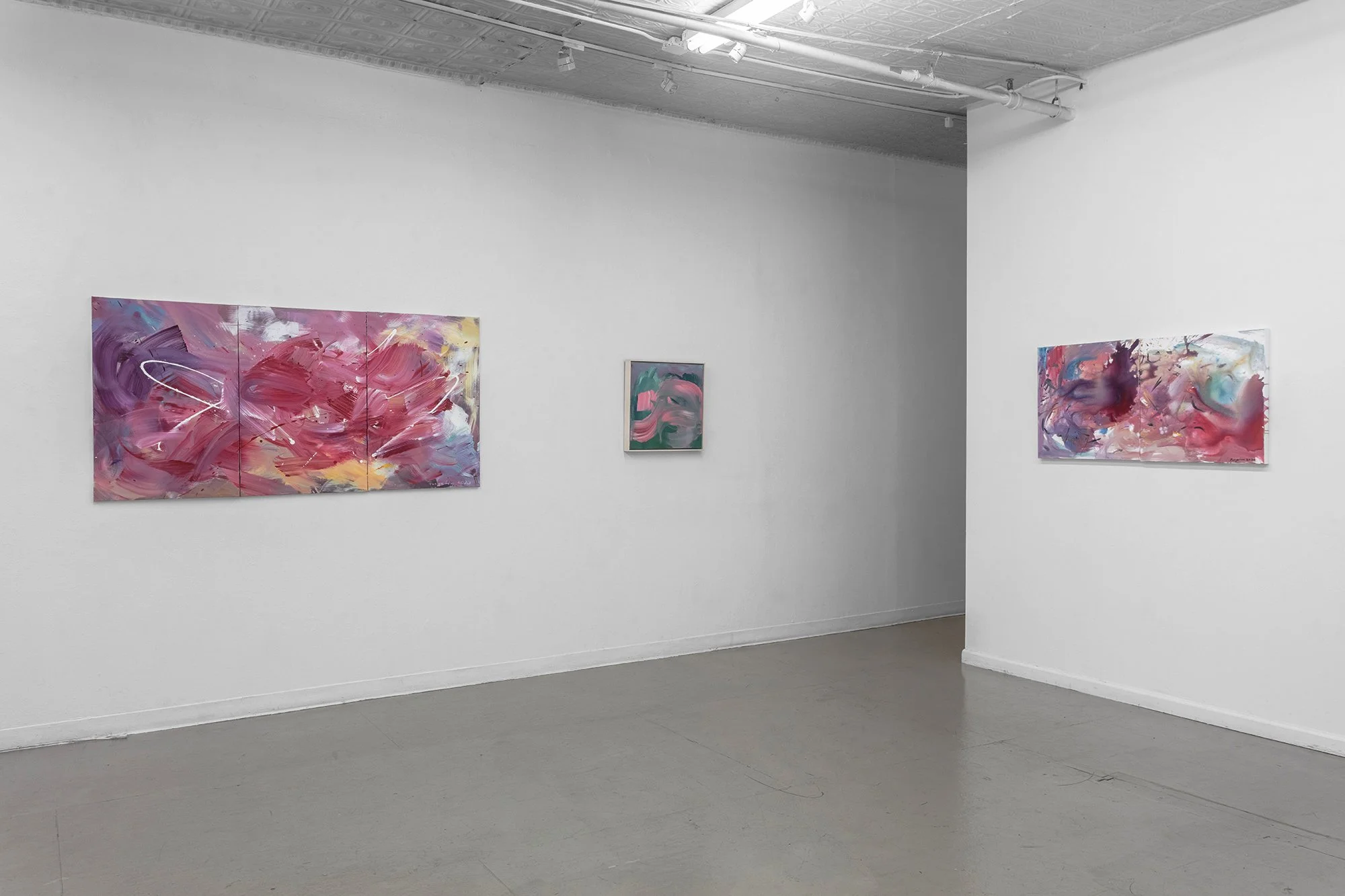

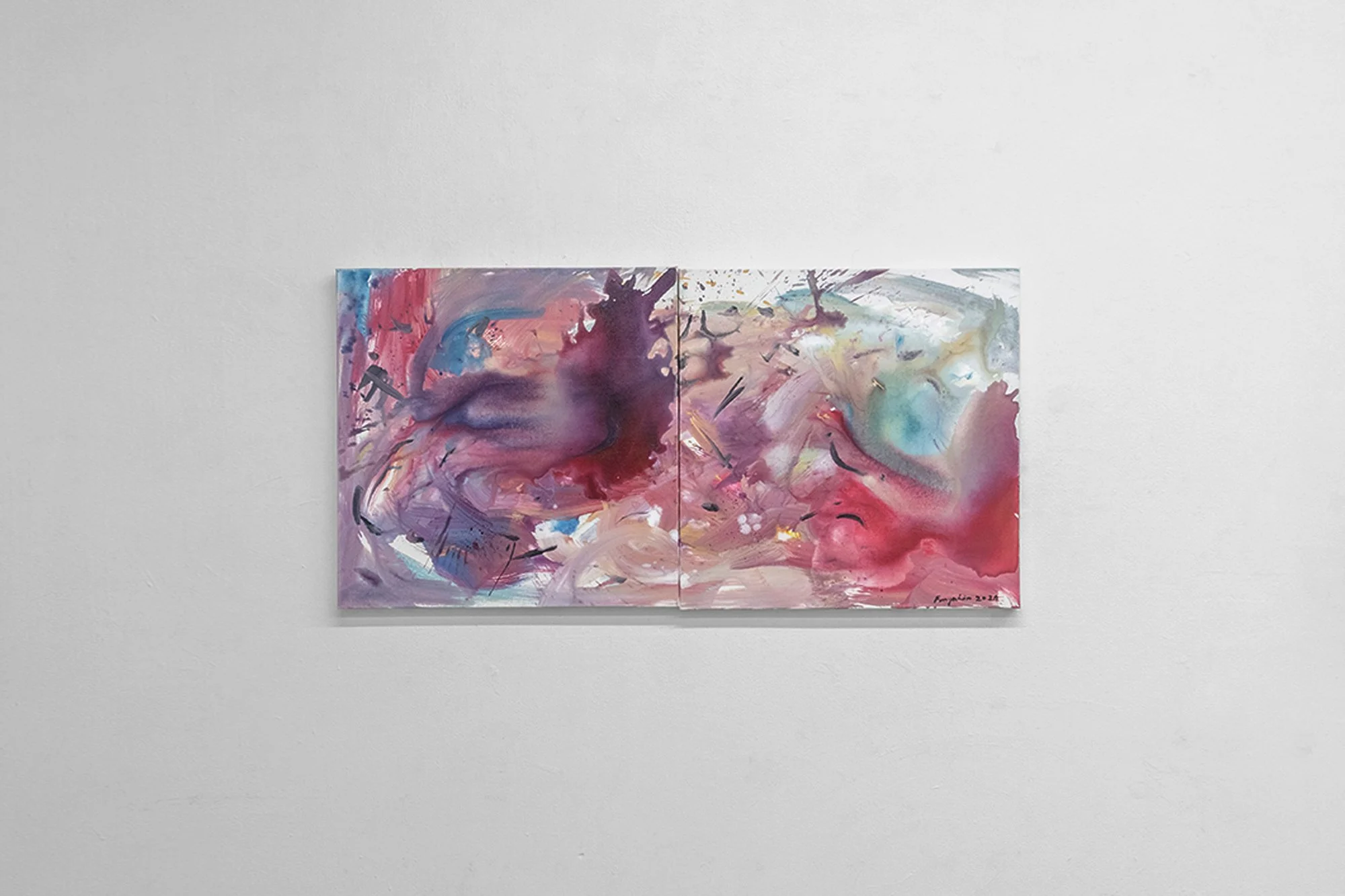
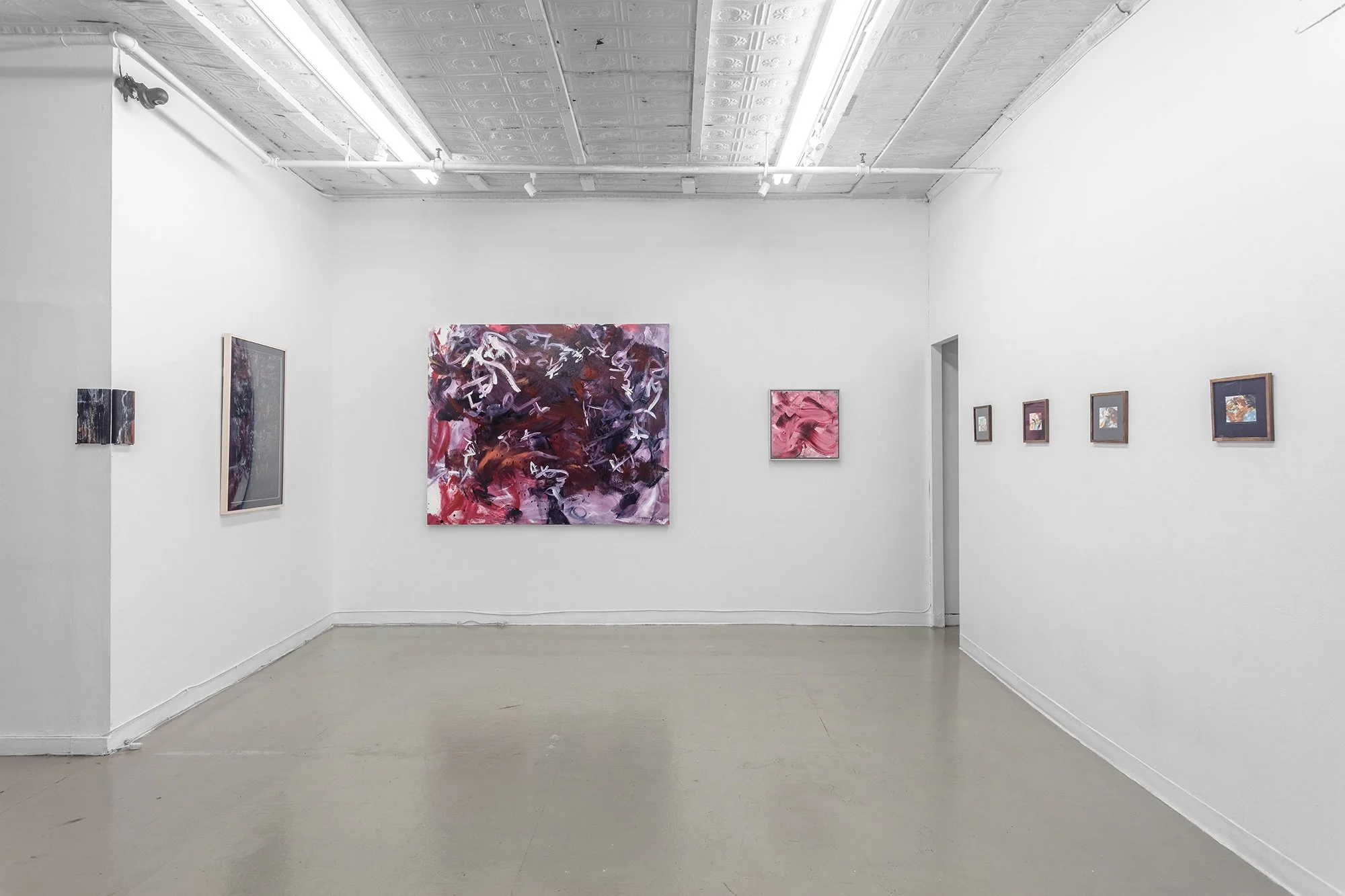

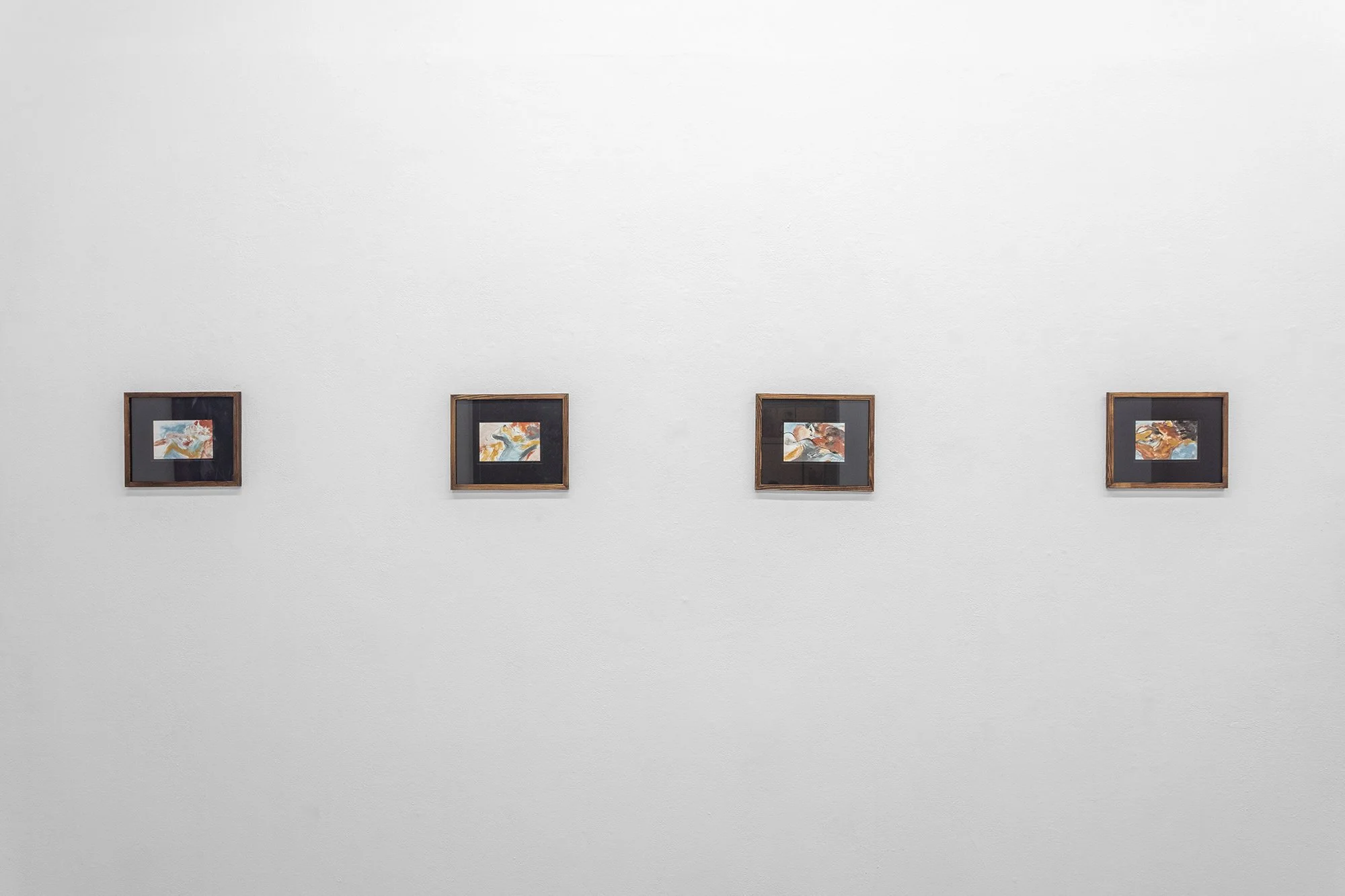
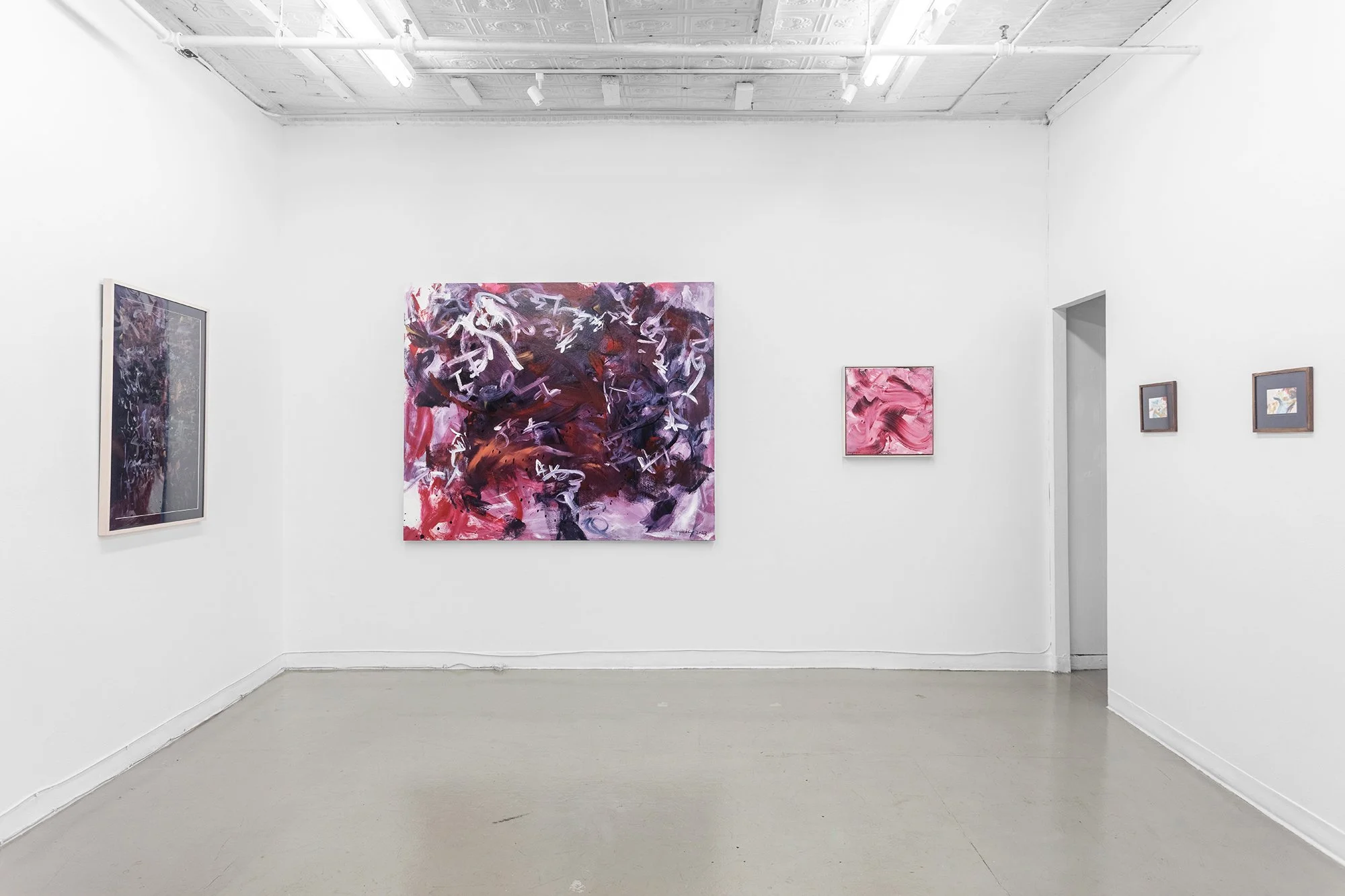
Installation view, Fanyu Lin: A Line That Forgot Its Name, Chinese American Arts Council | Gallery 456, New York, 2026. Photography by Yanmei Jiang

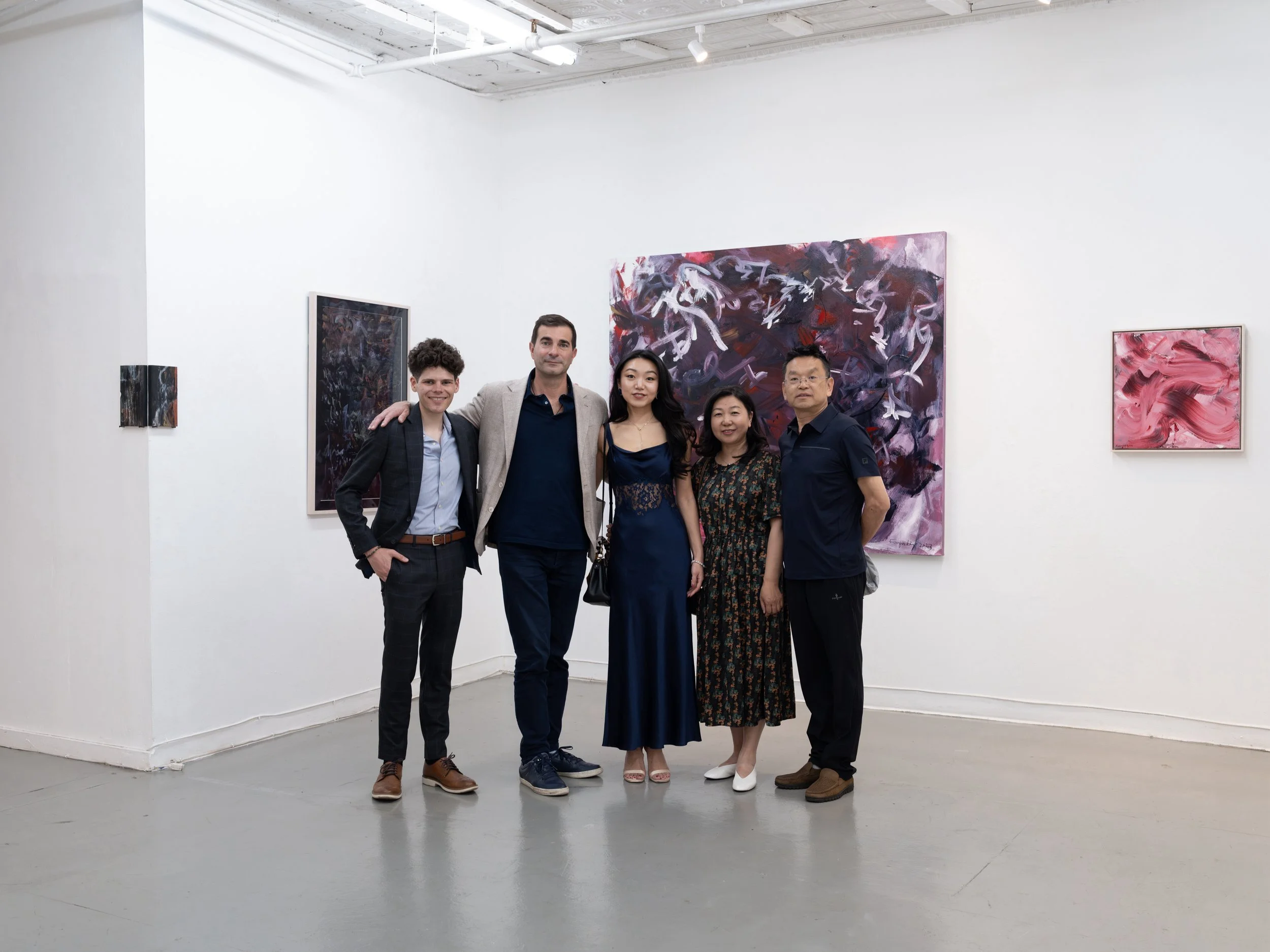

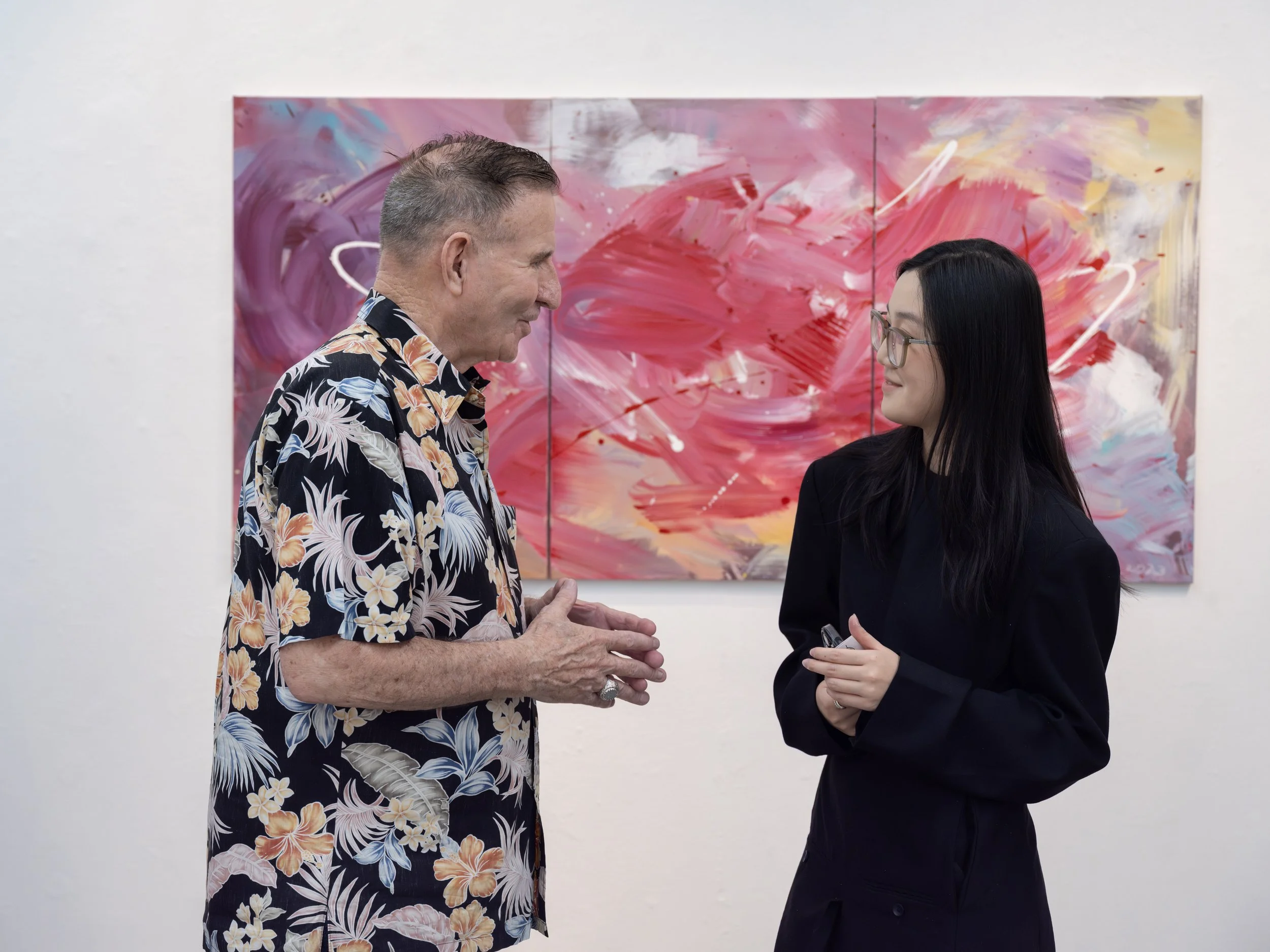
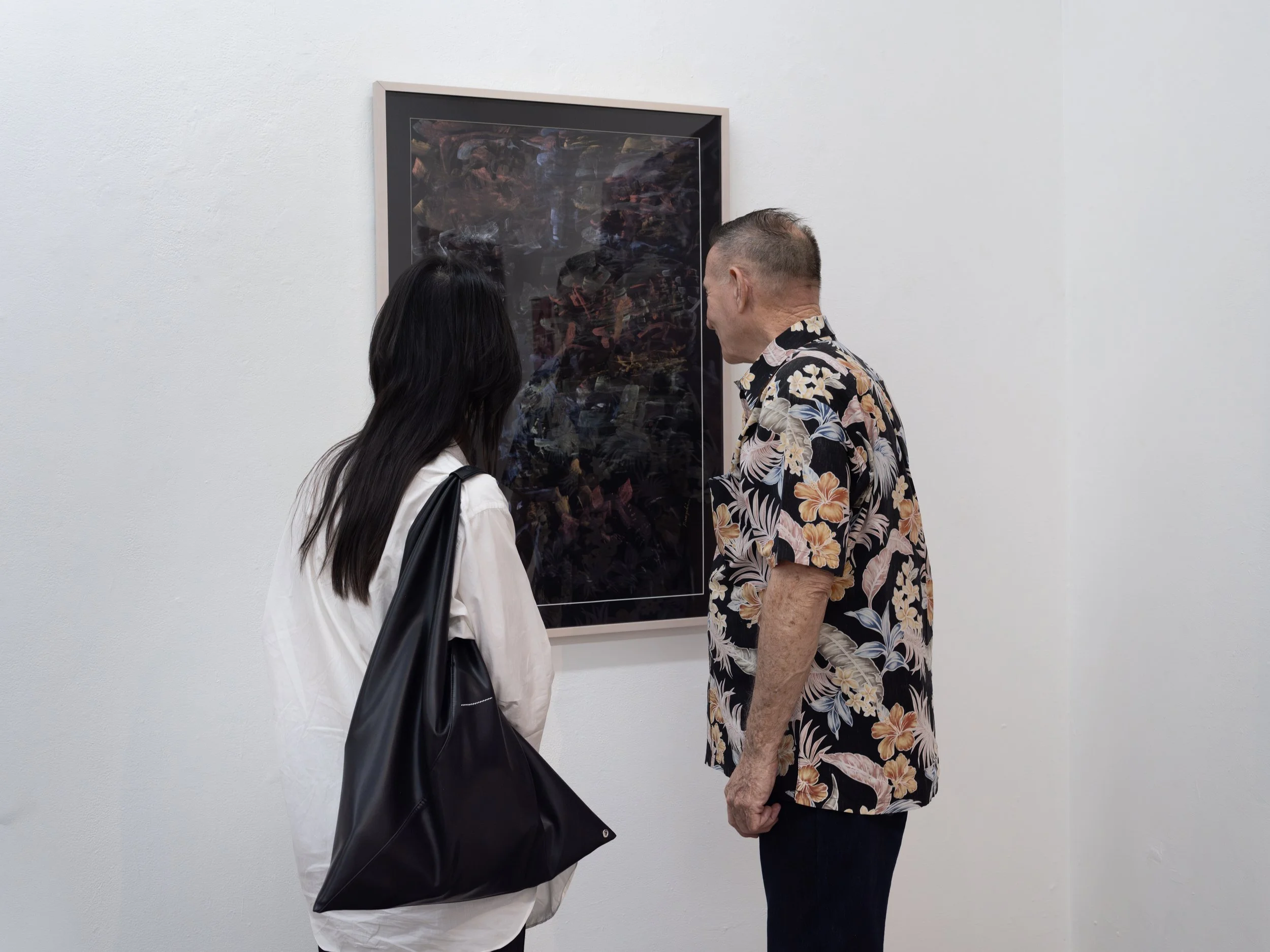

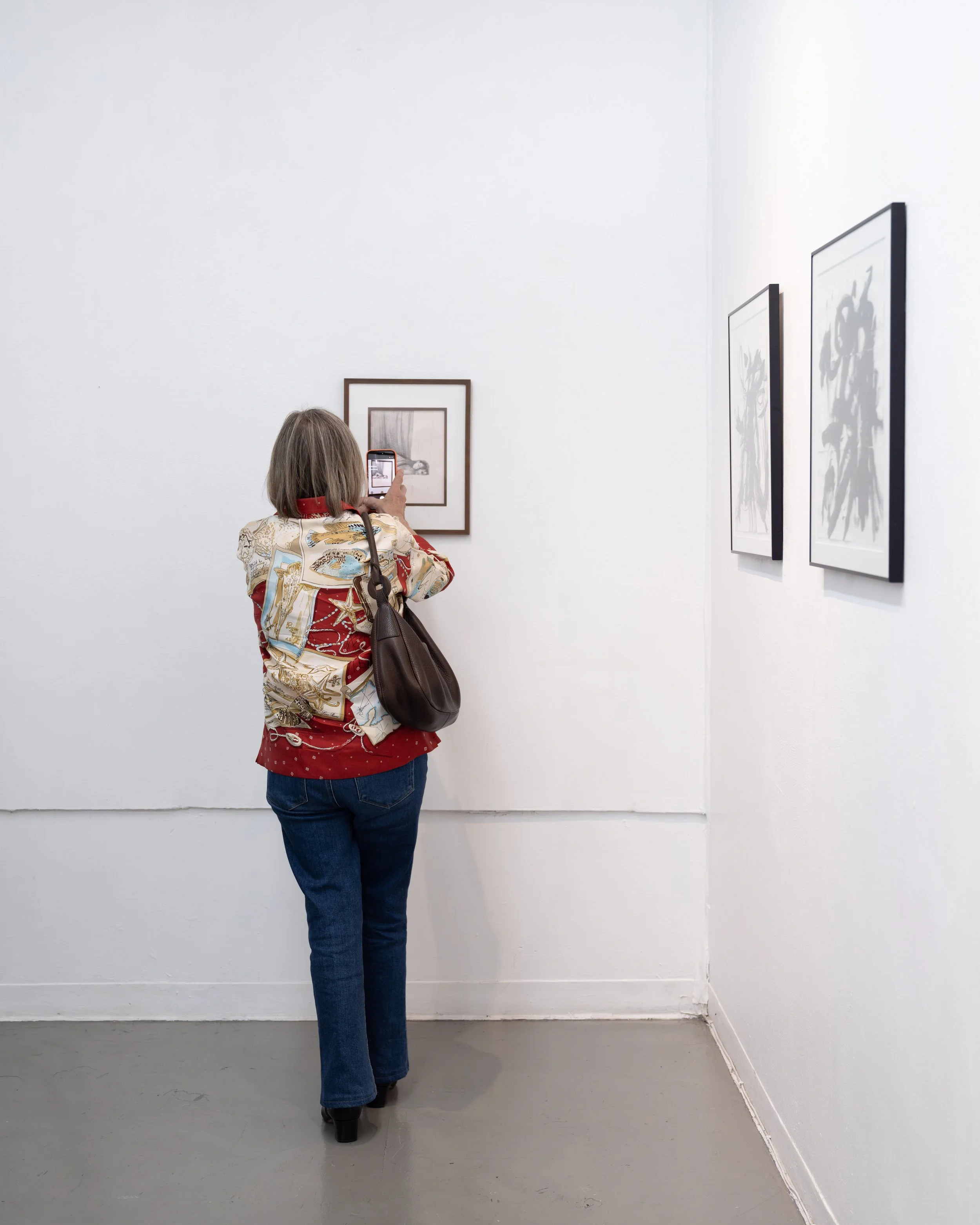
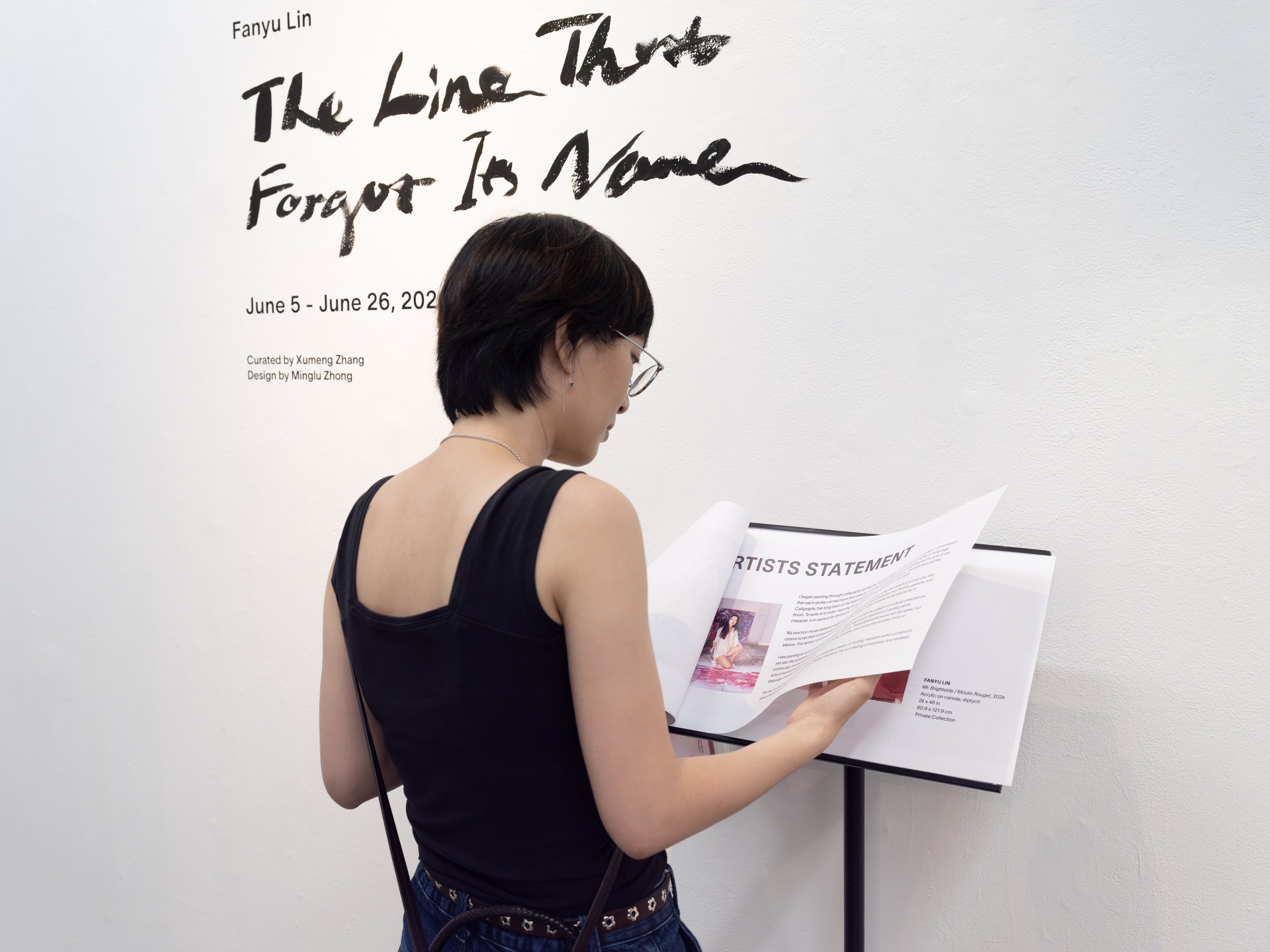
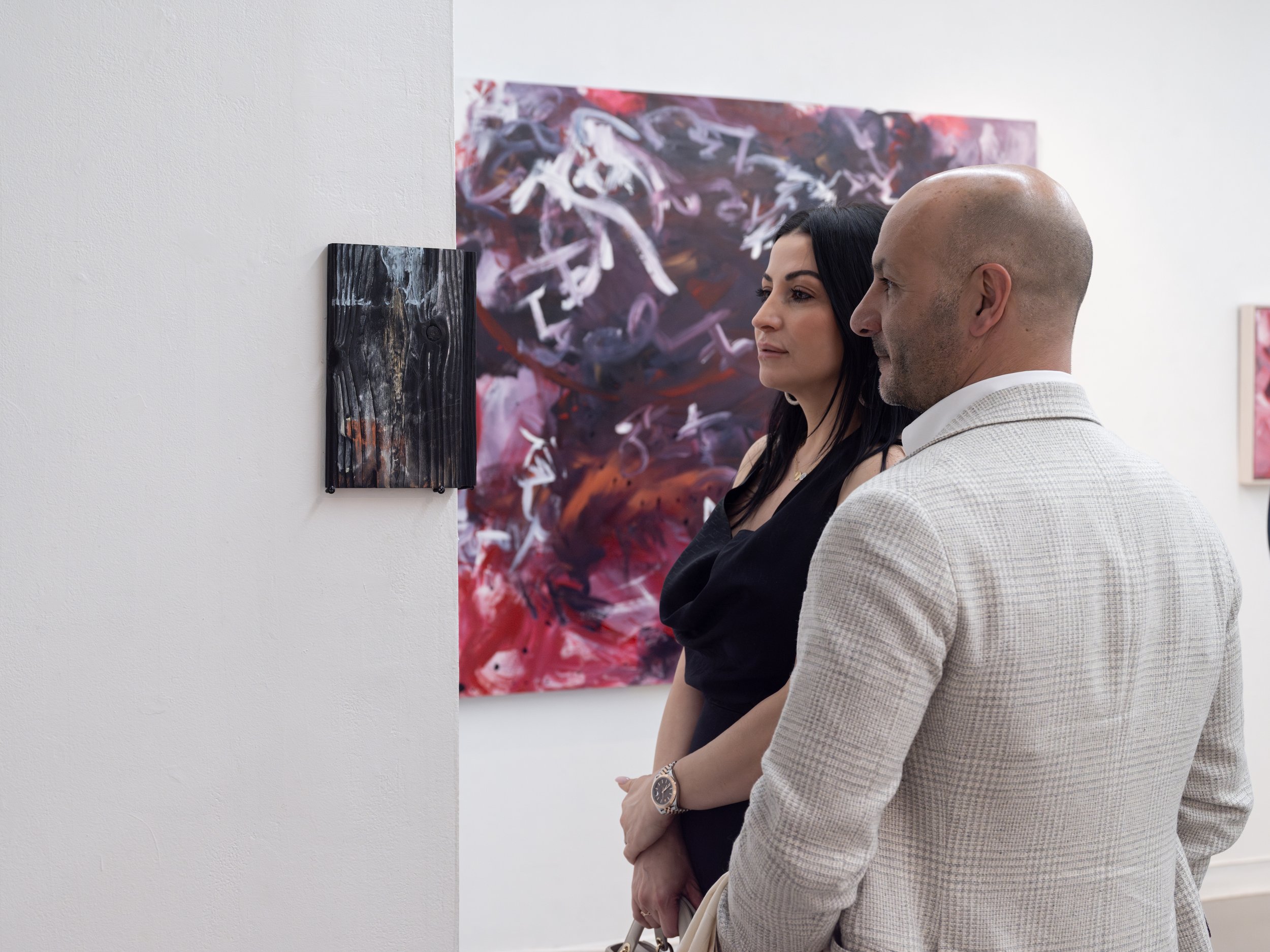
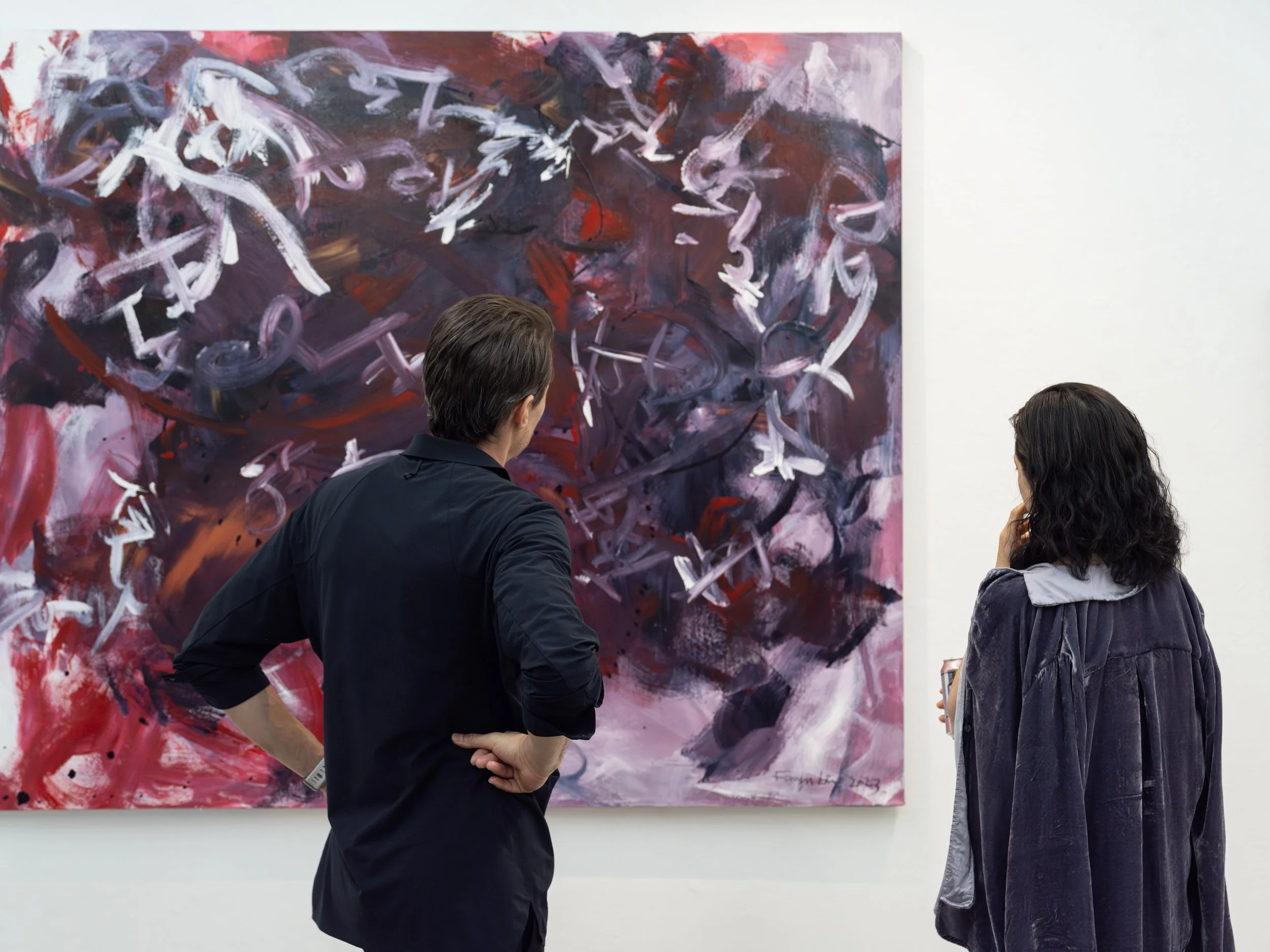
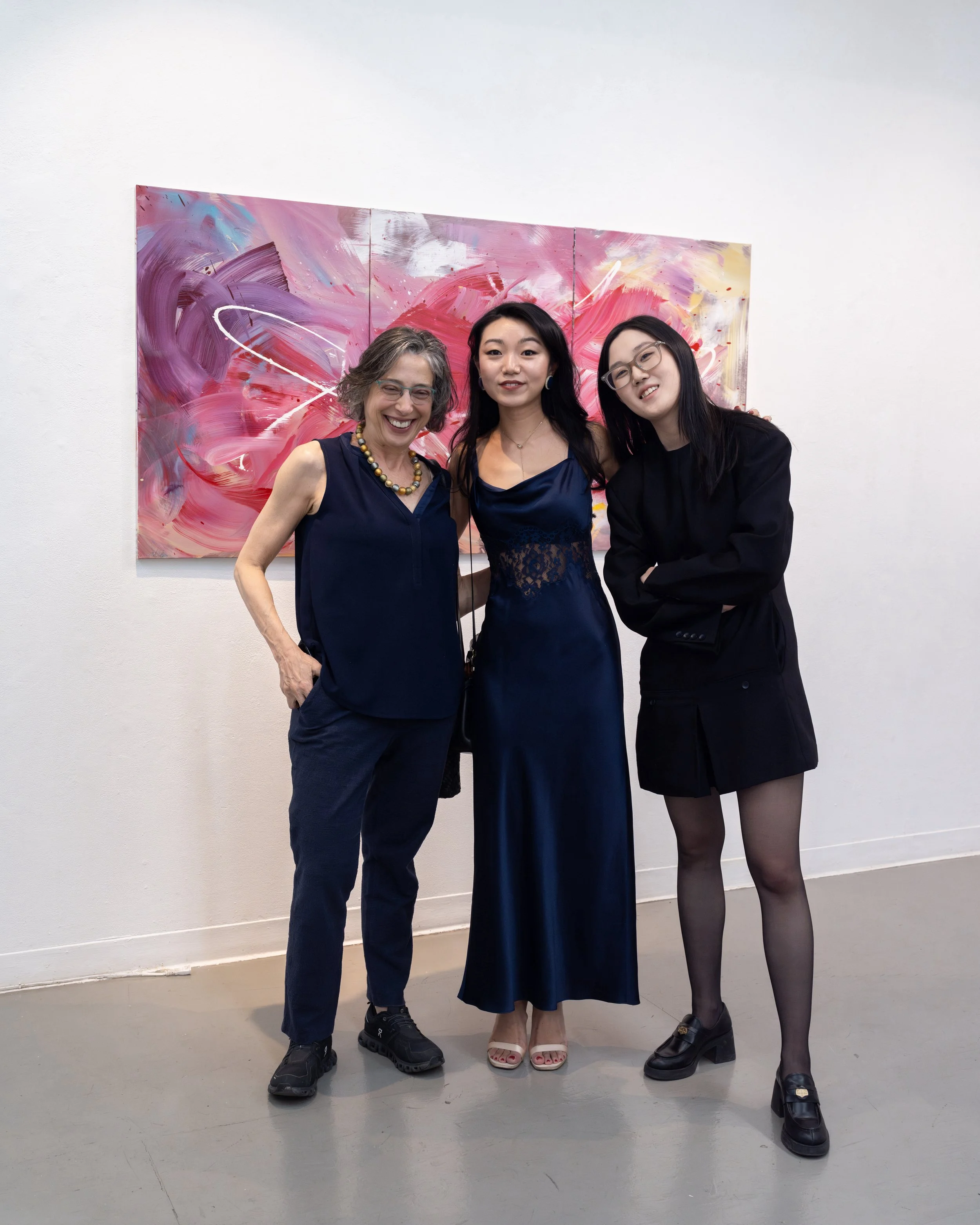
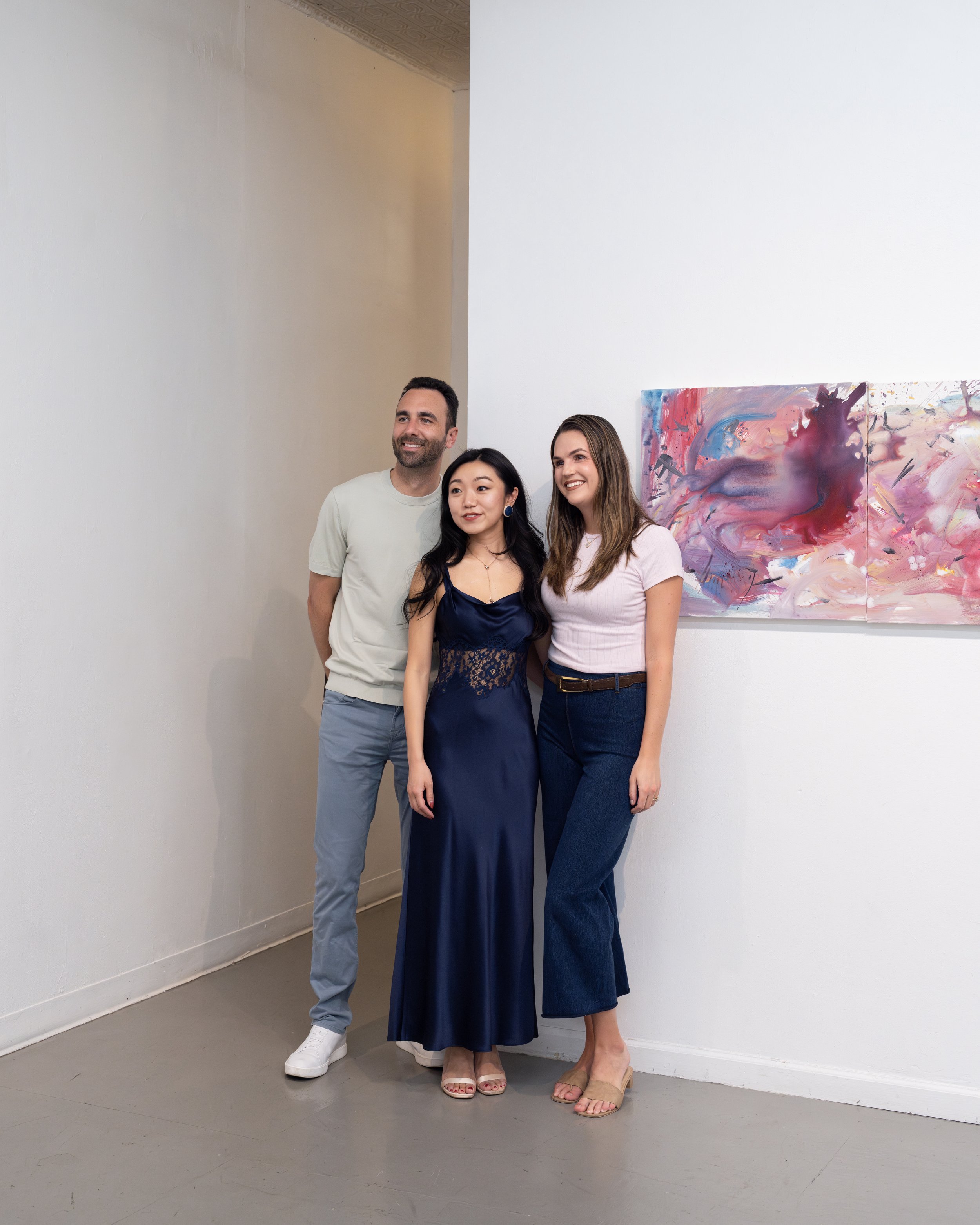


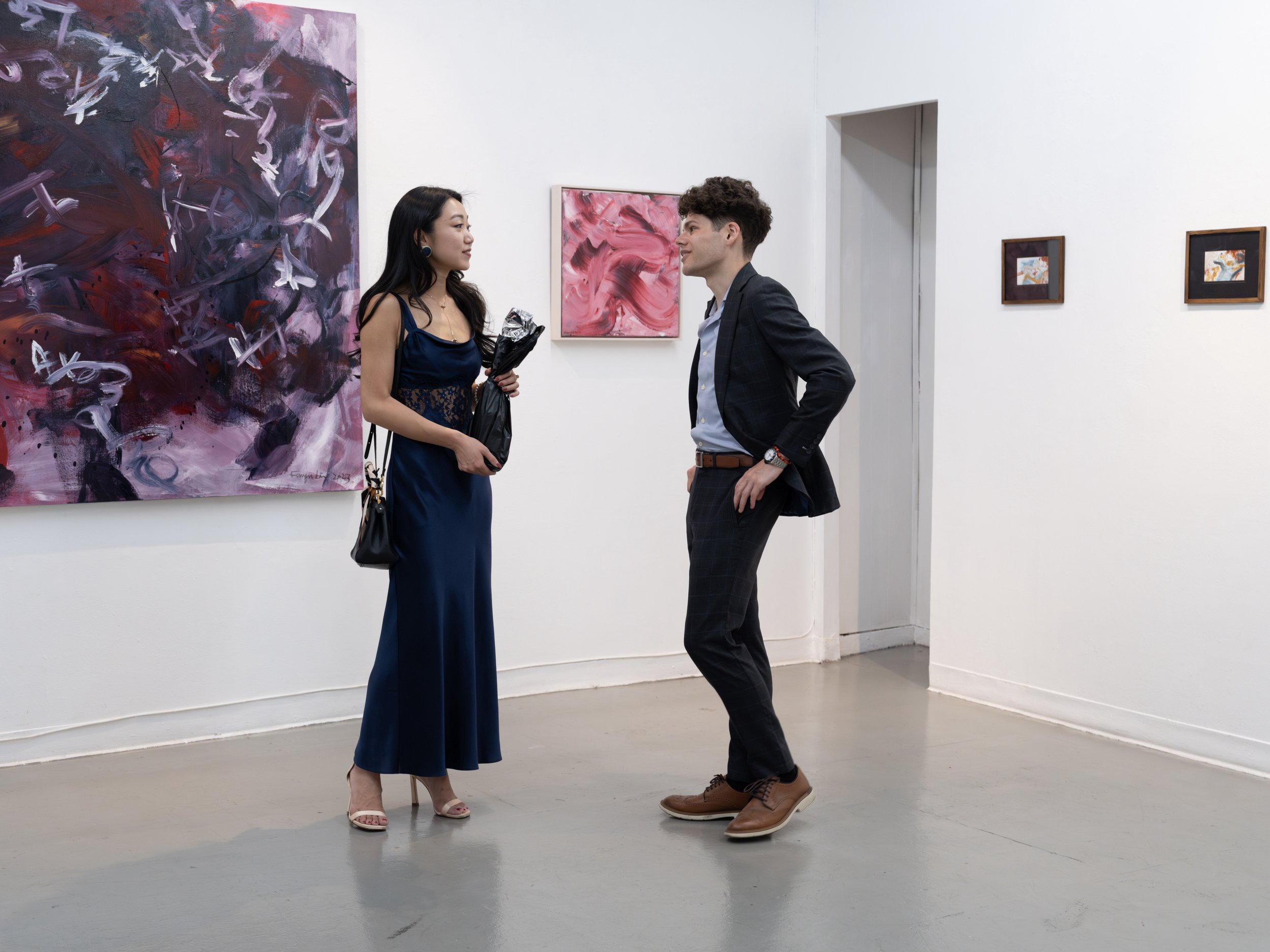
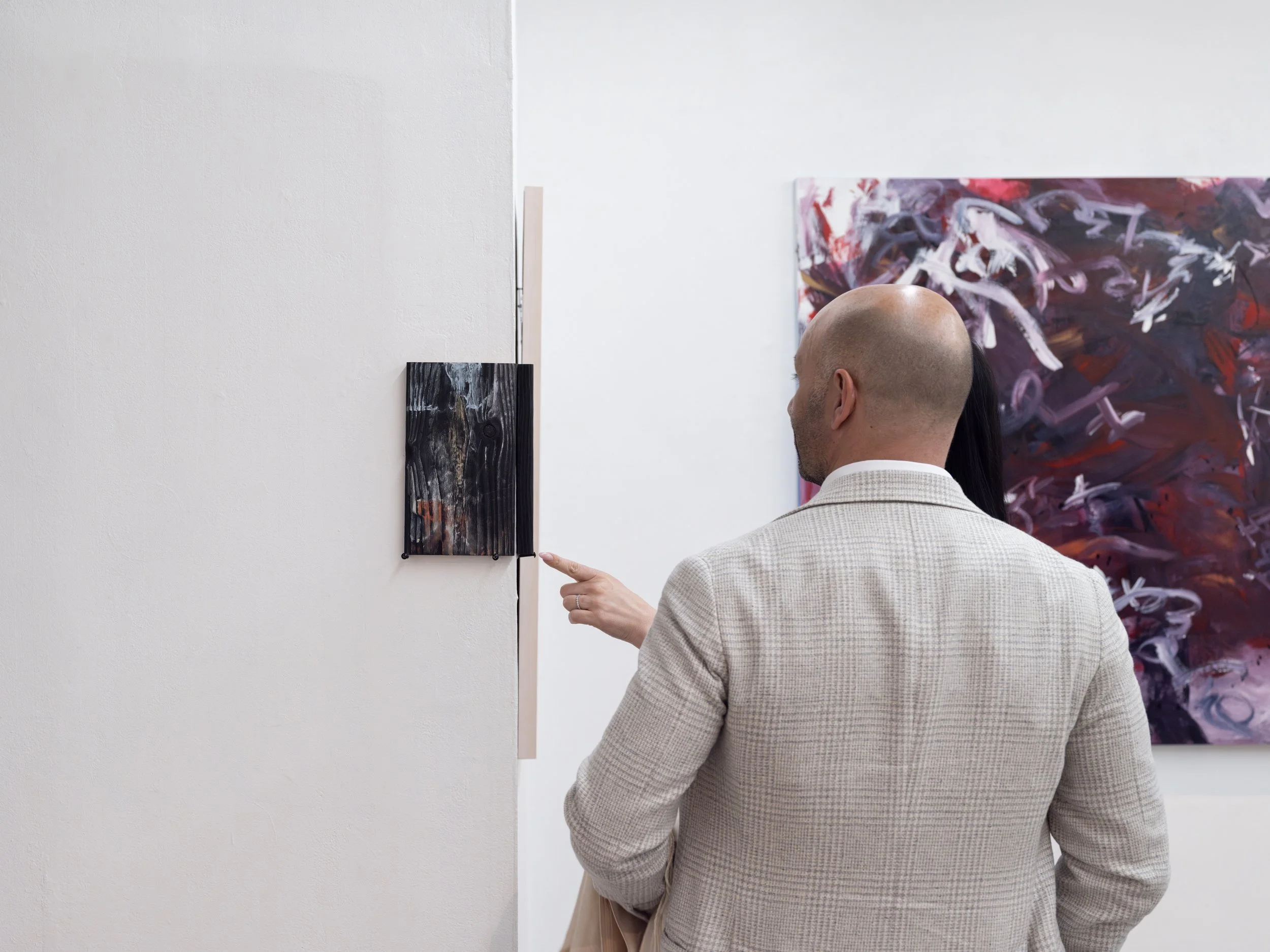

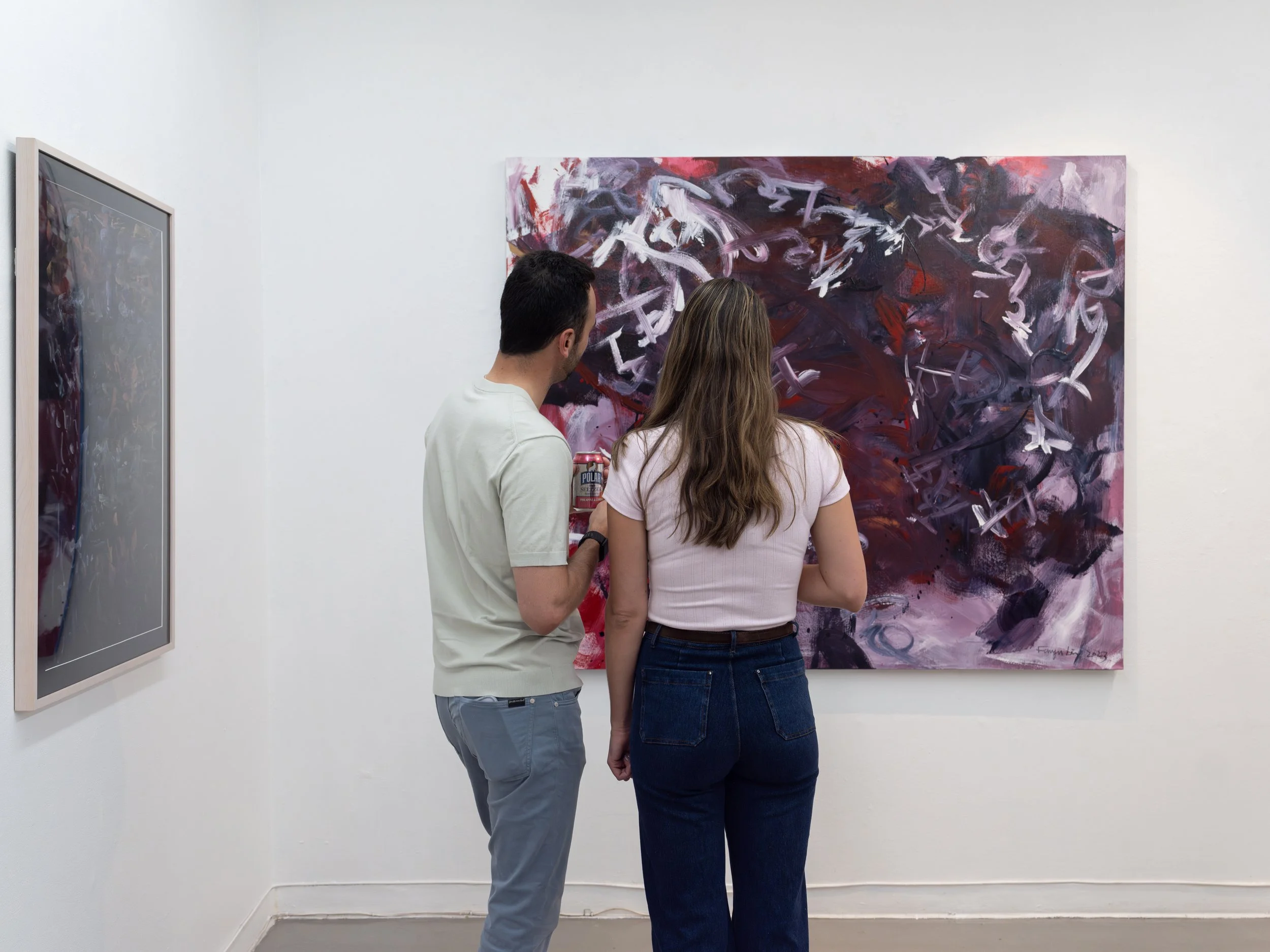
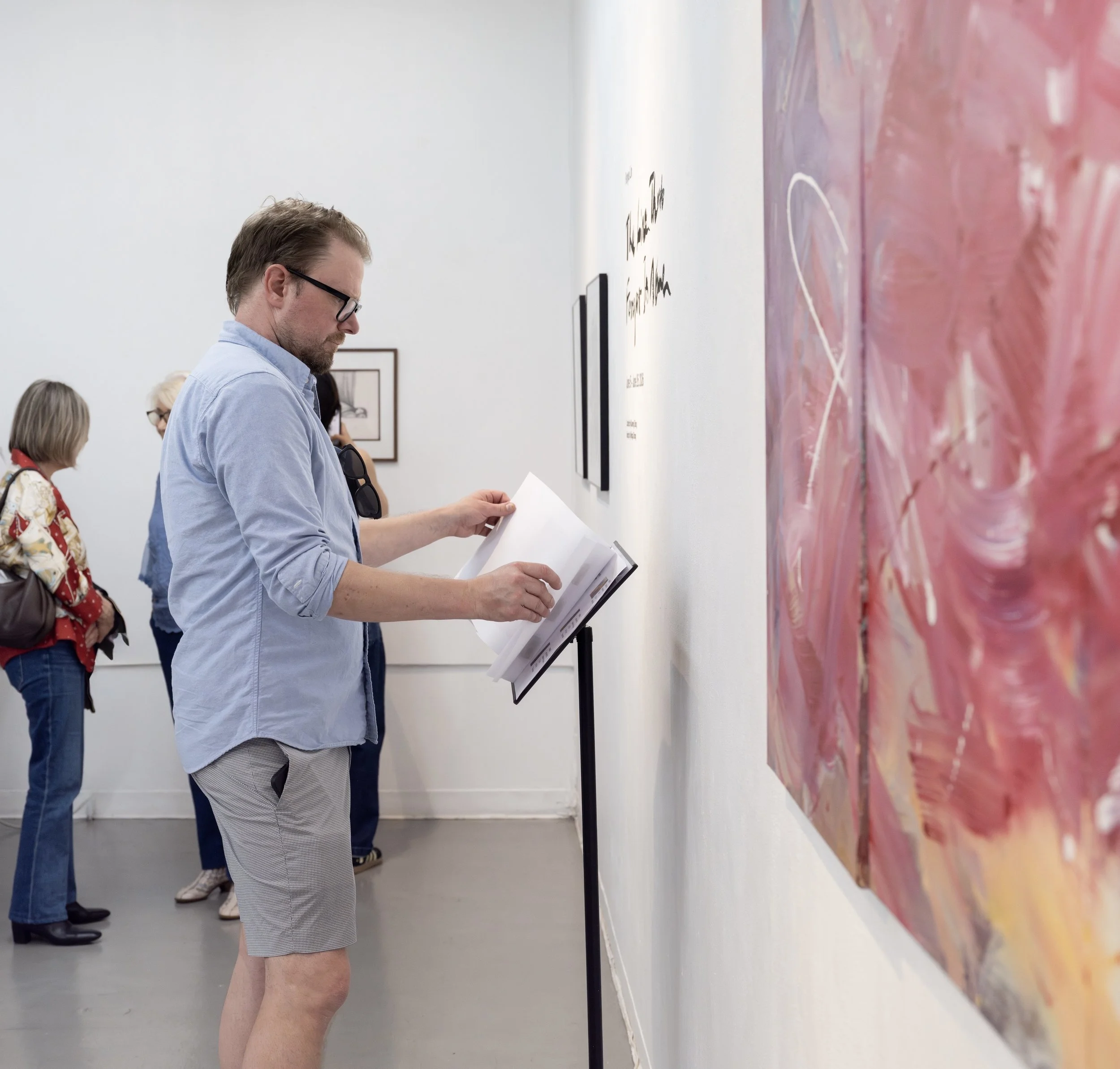
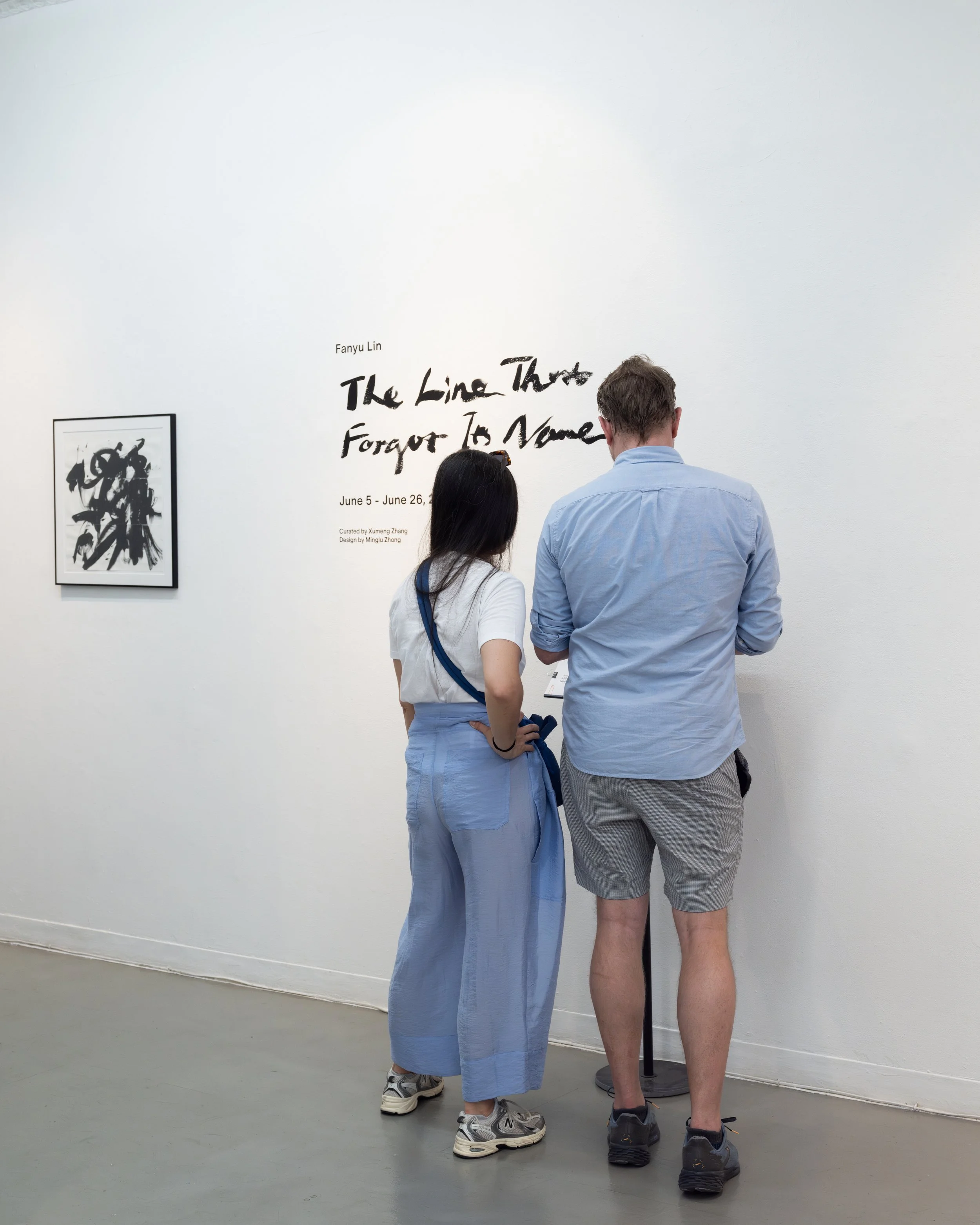

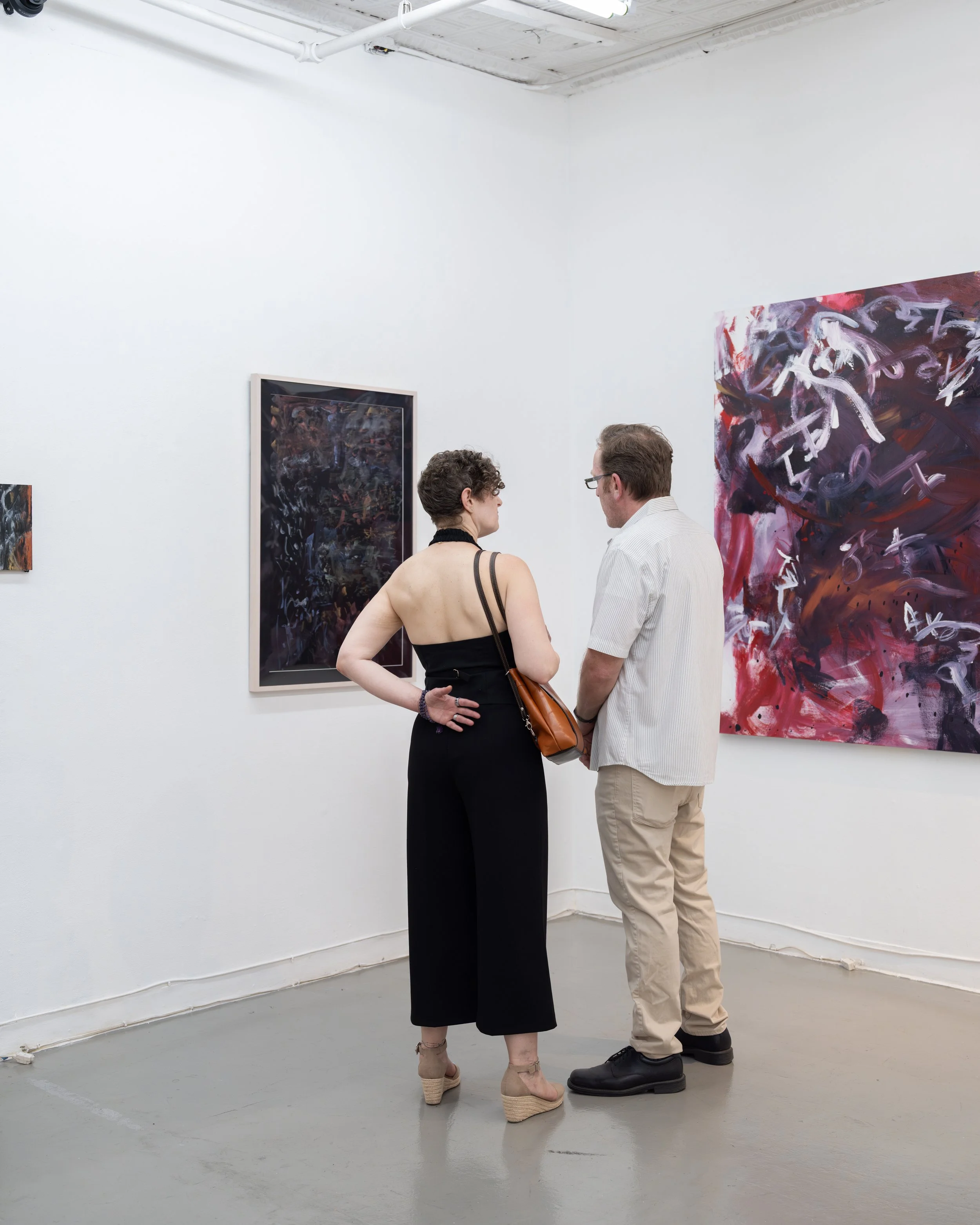
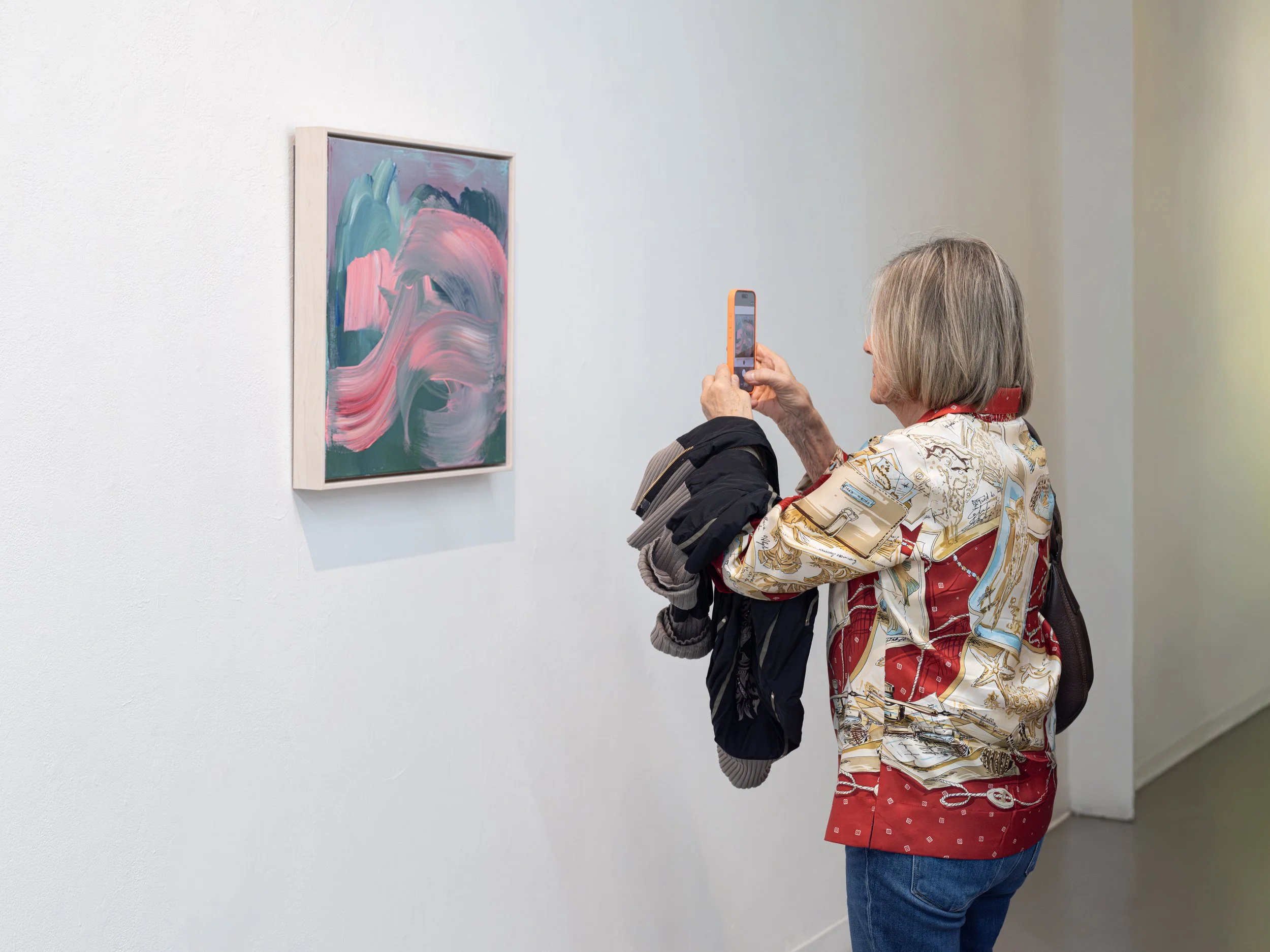

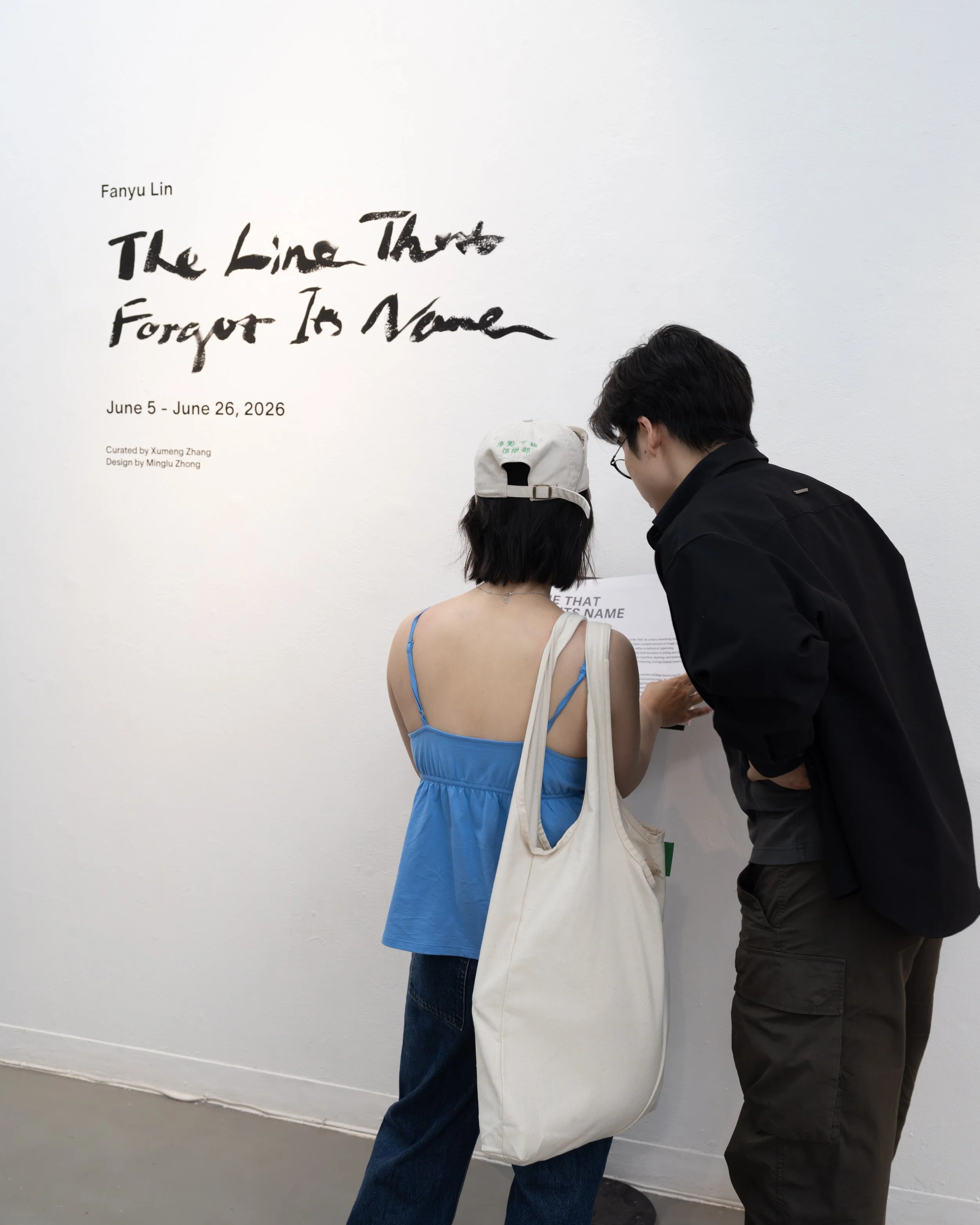
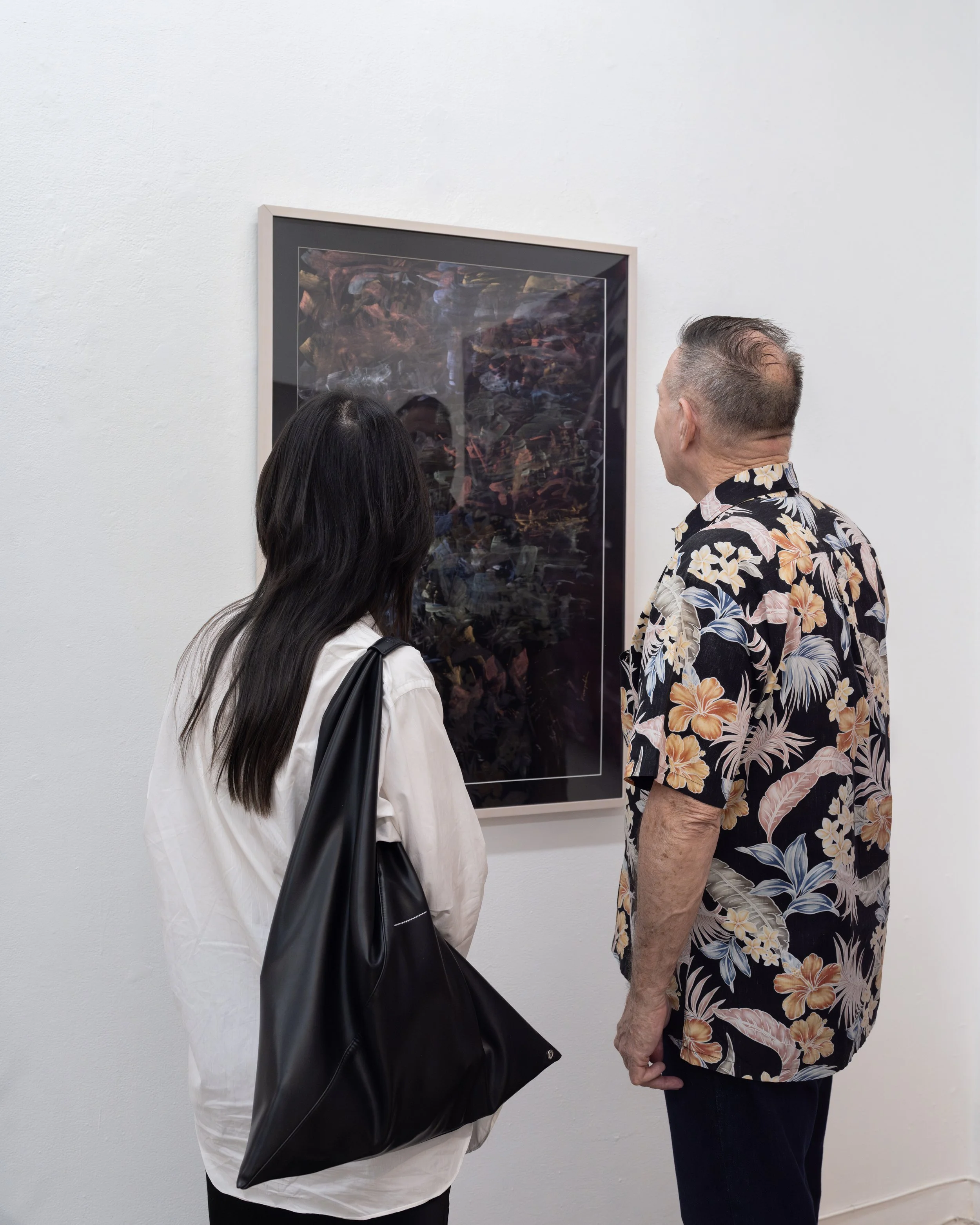
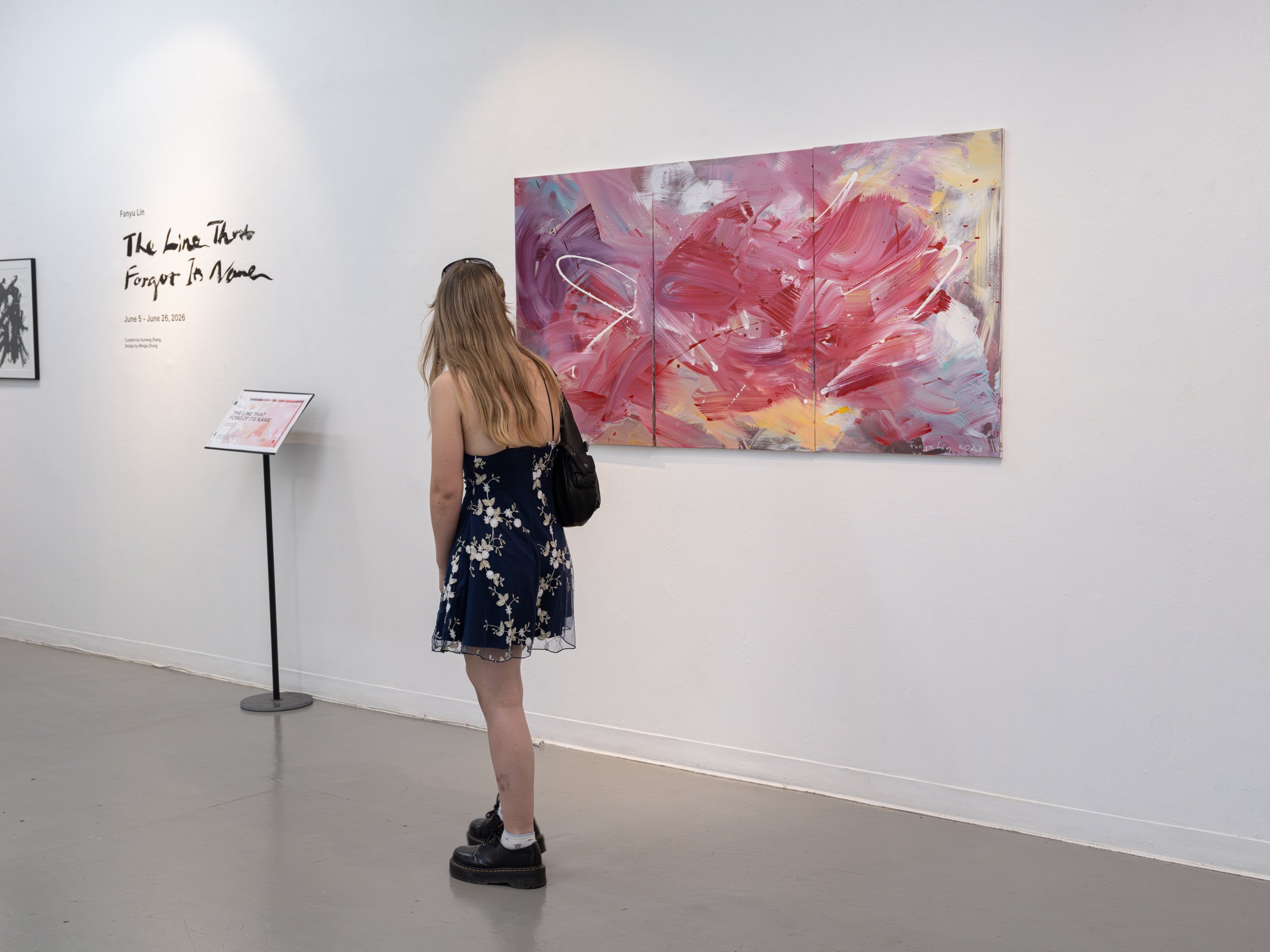


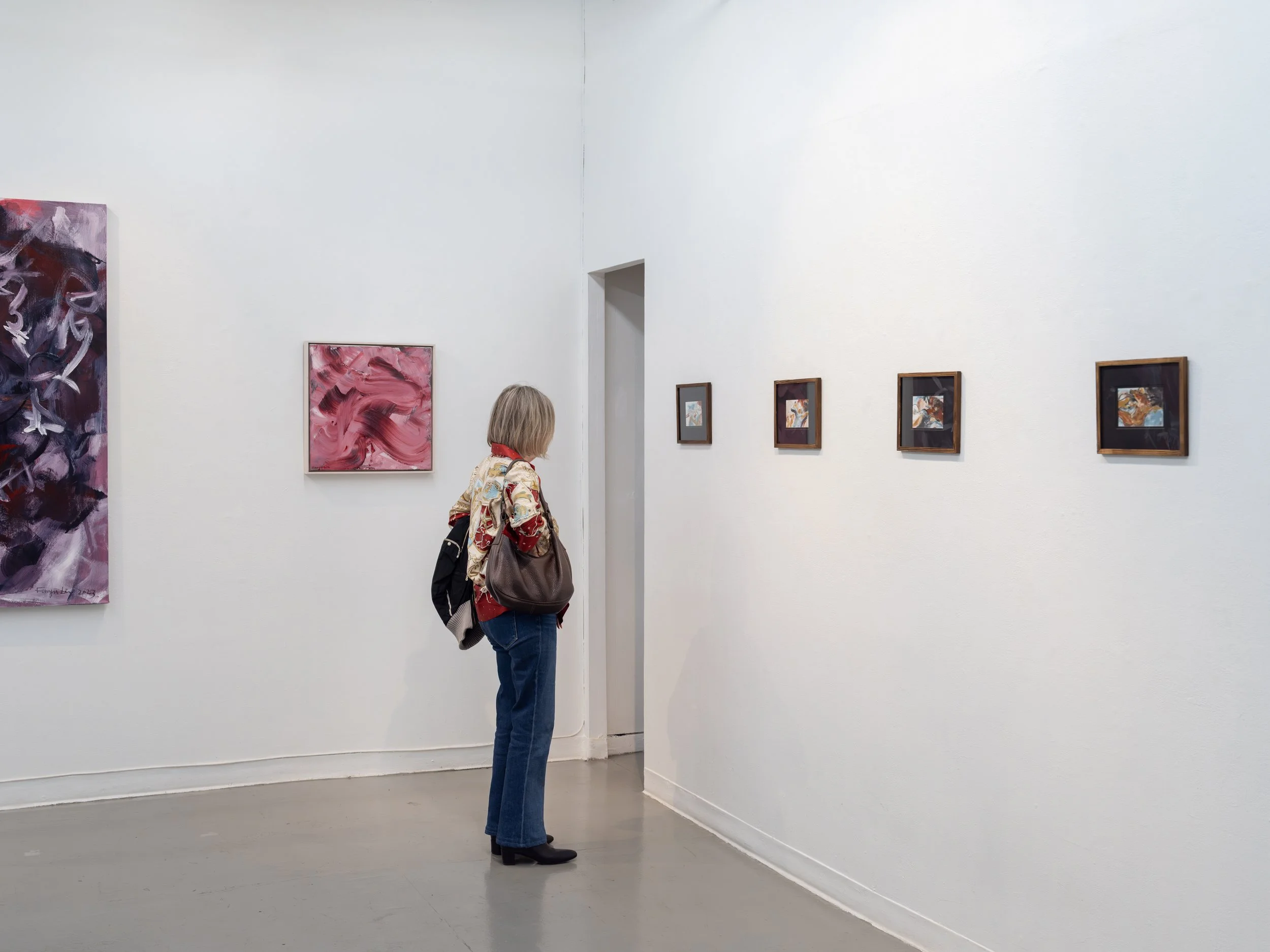
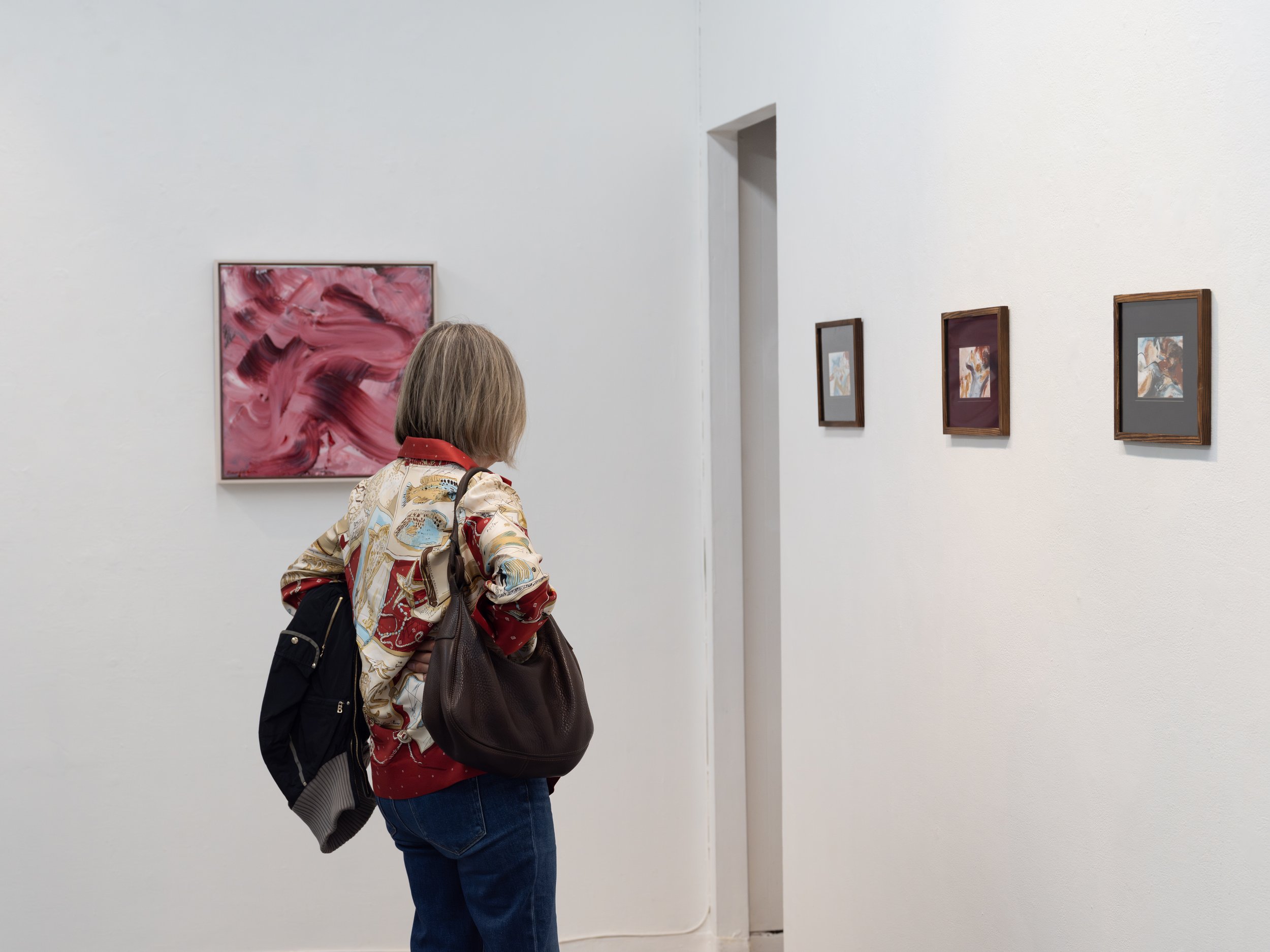
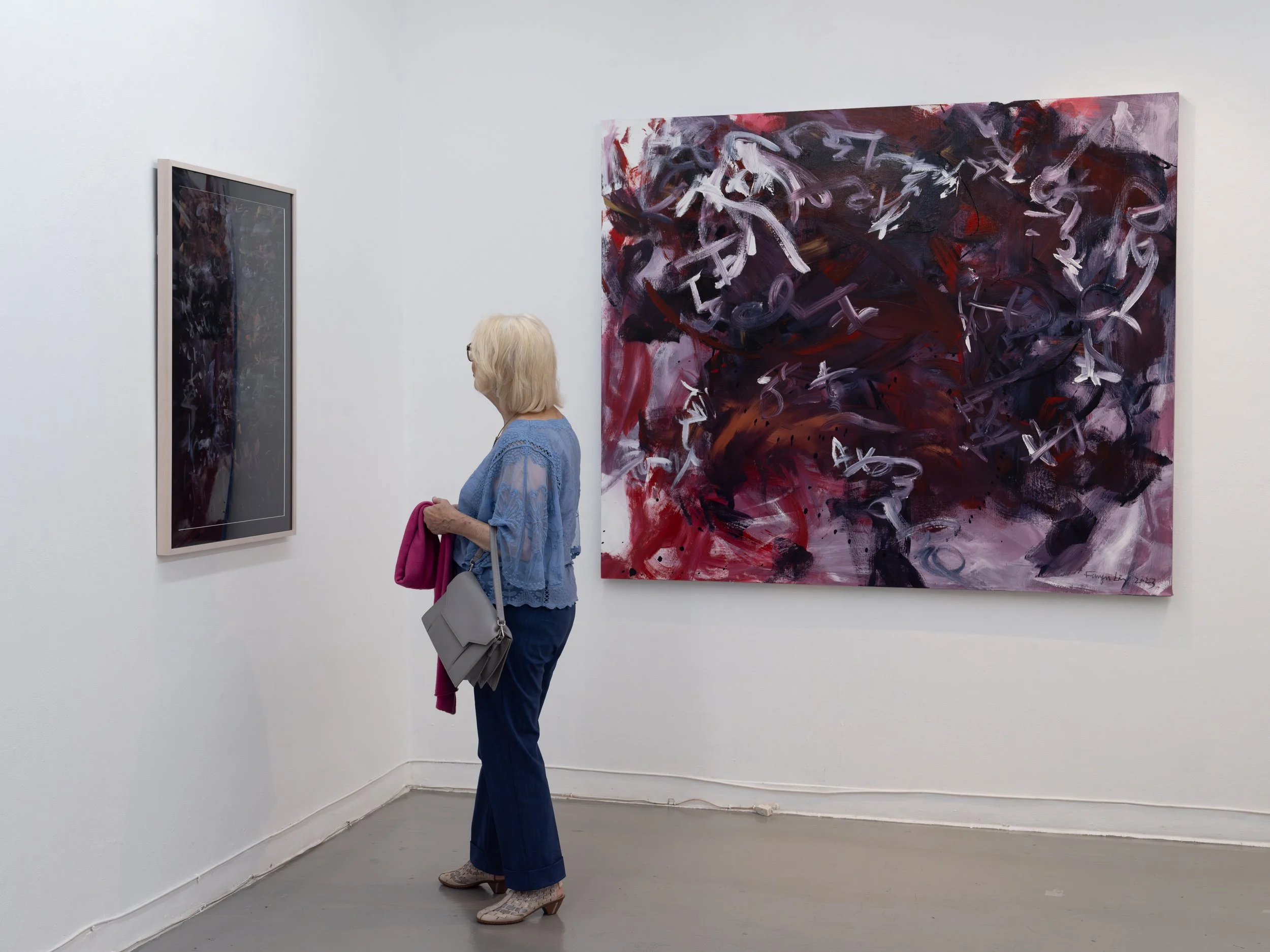
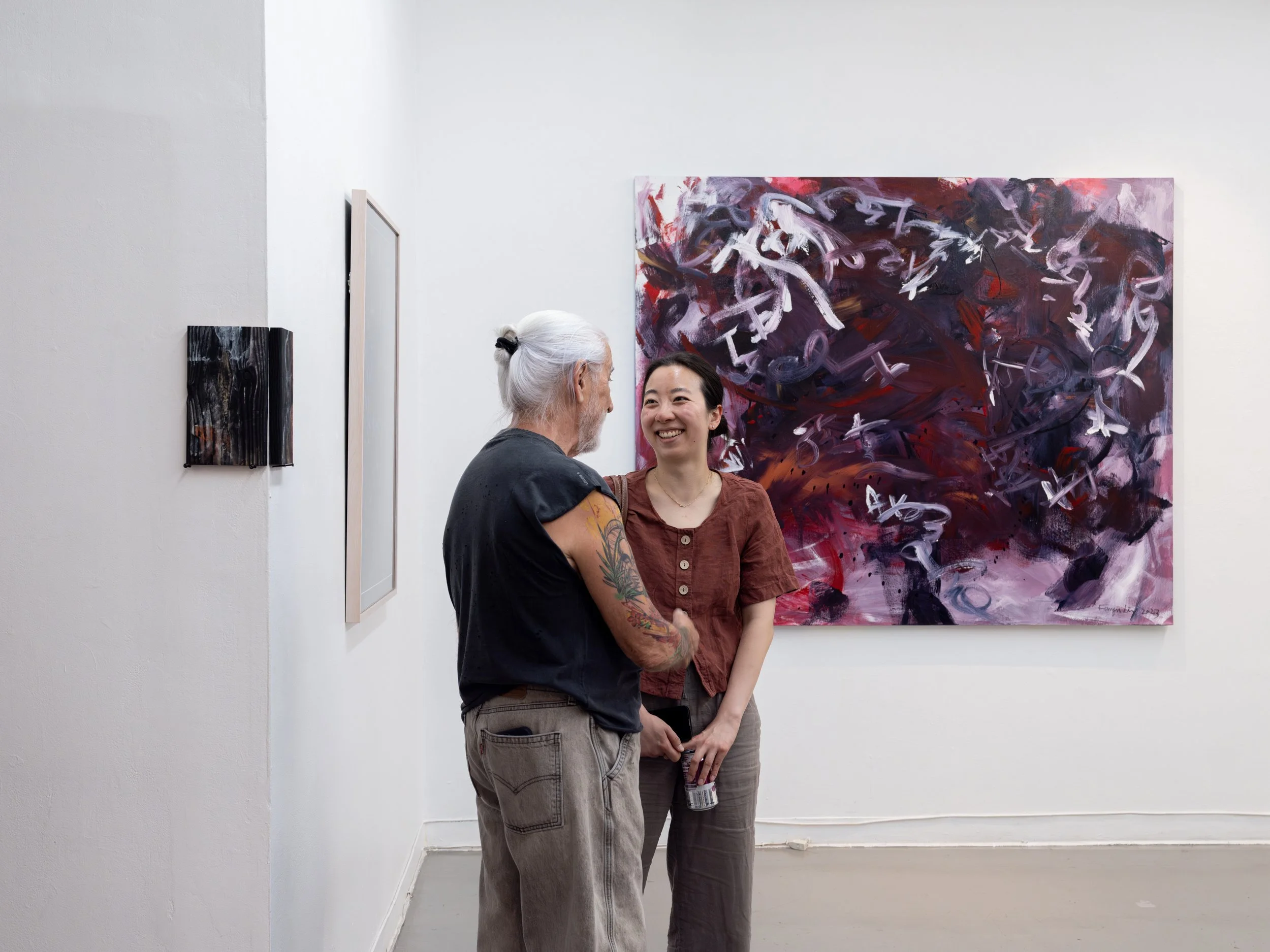
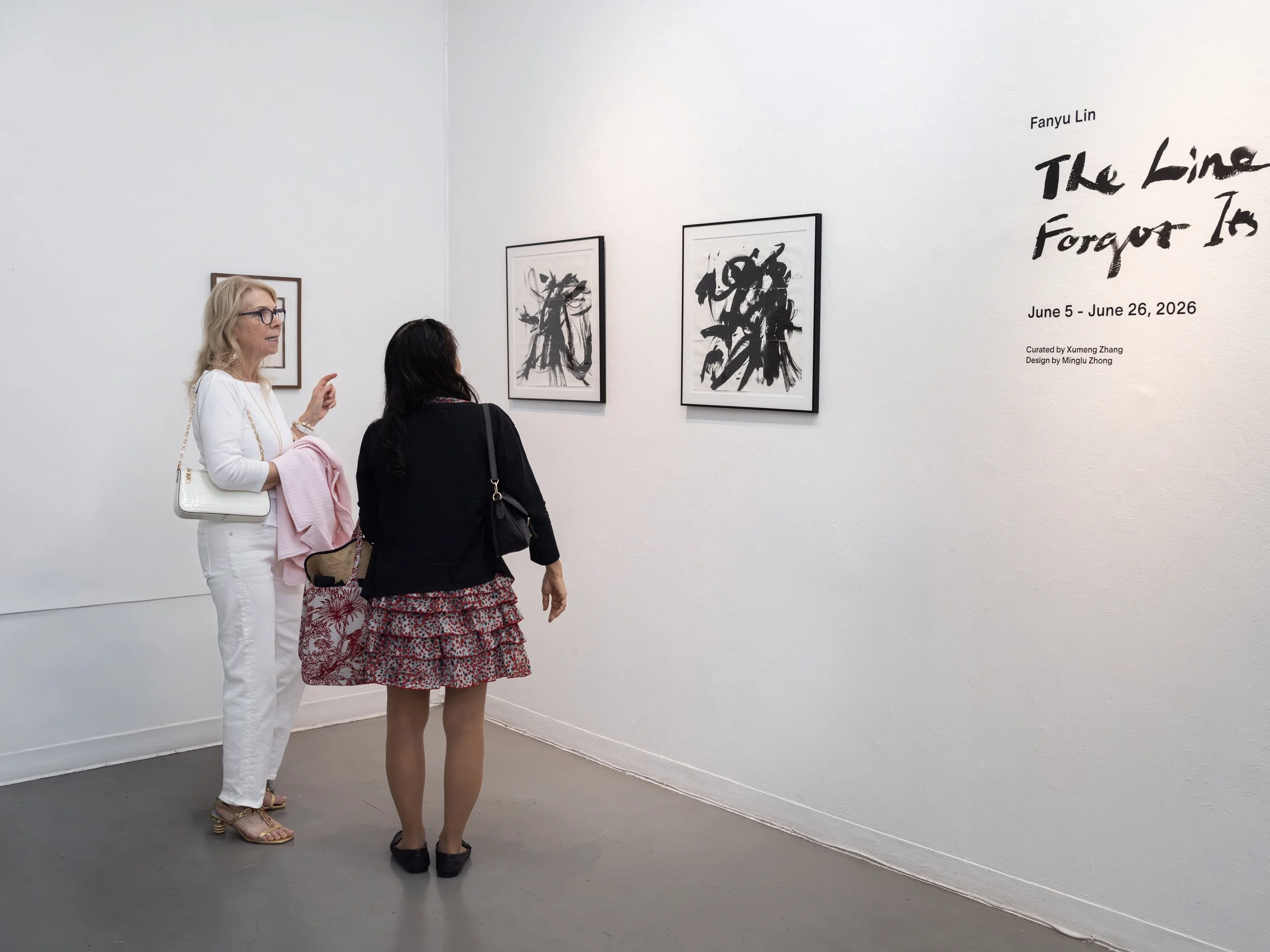


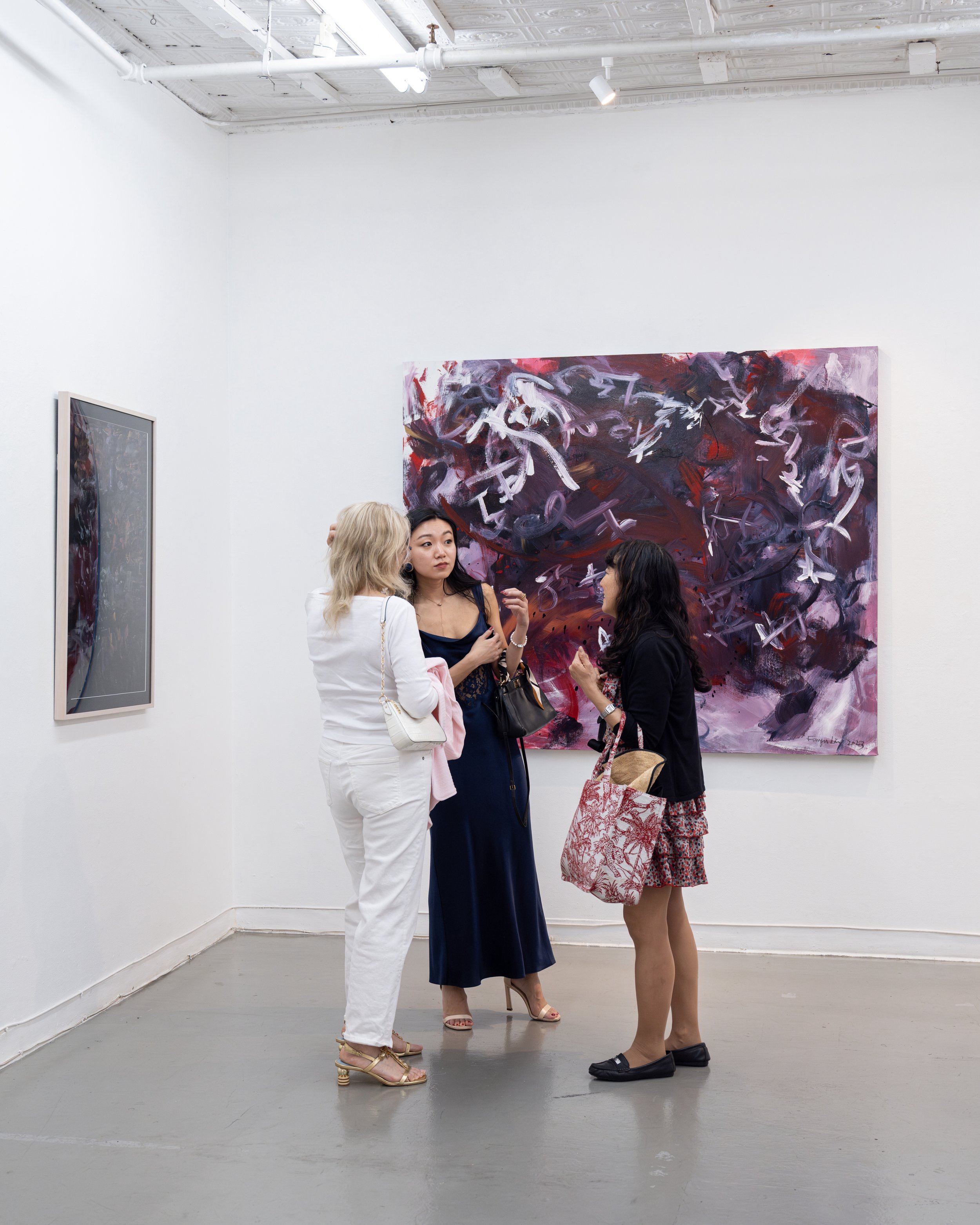
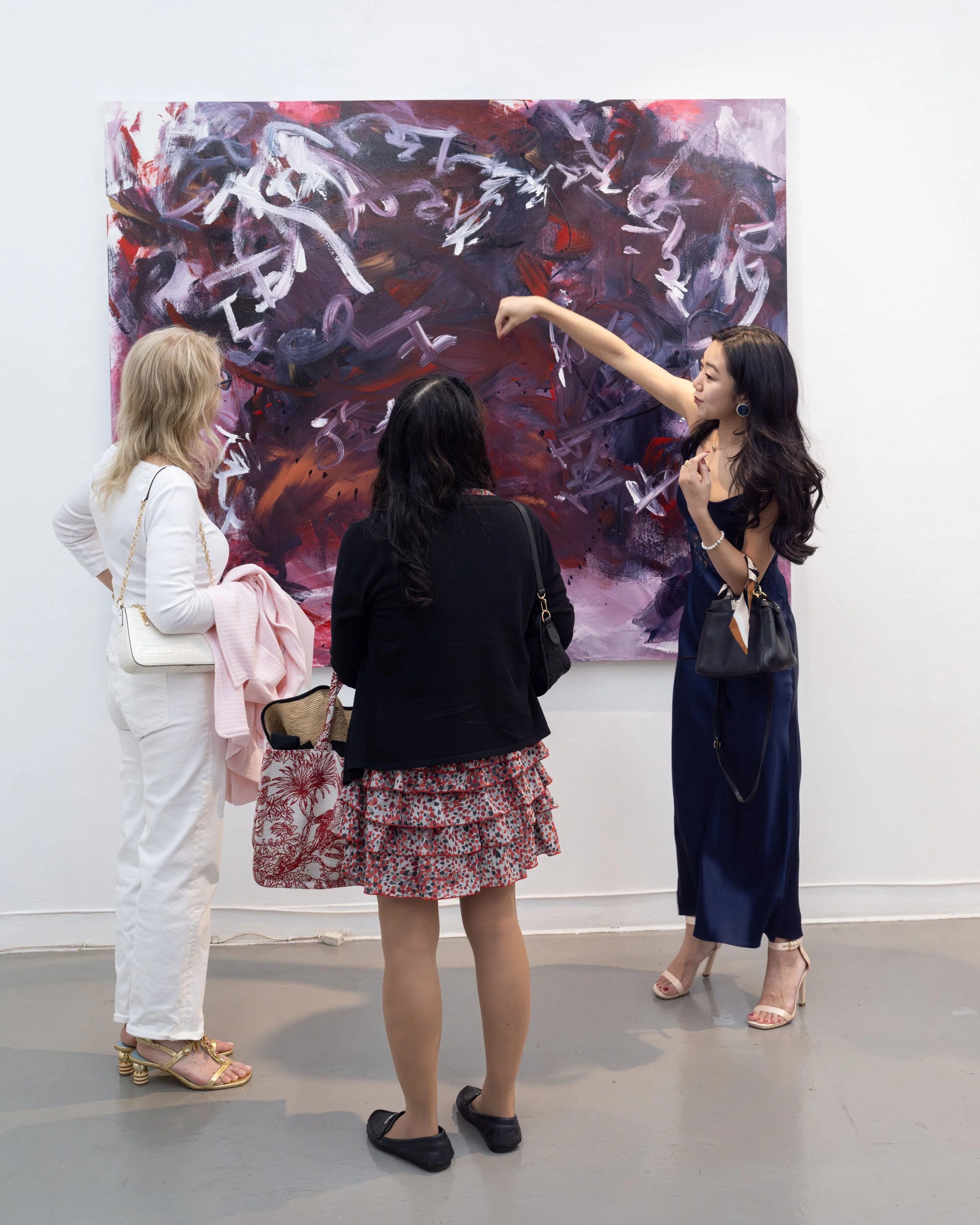
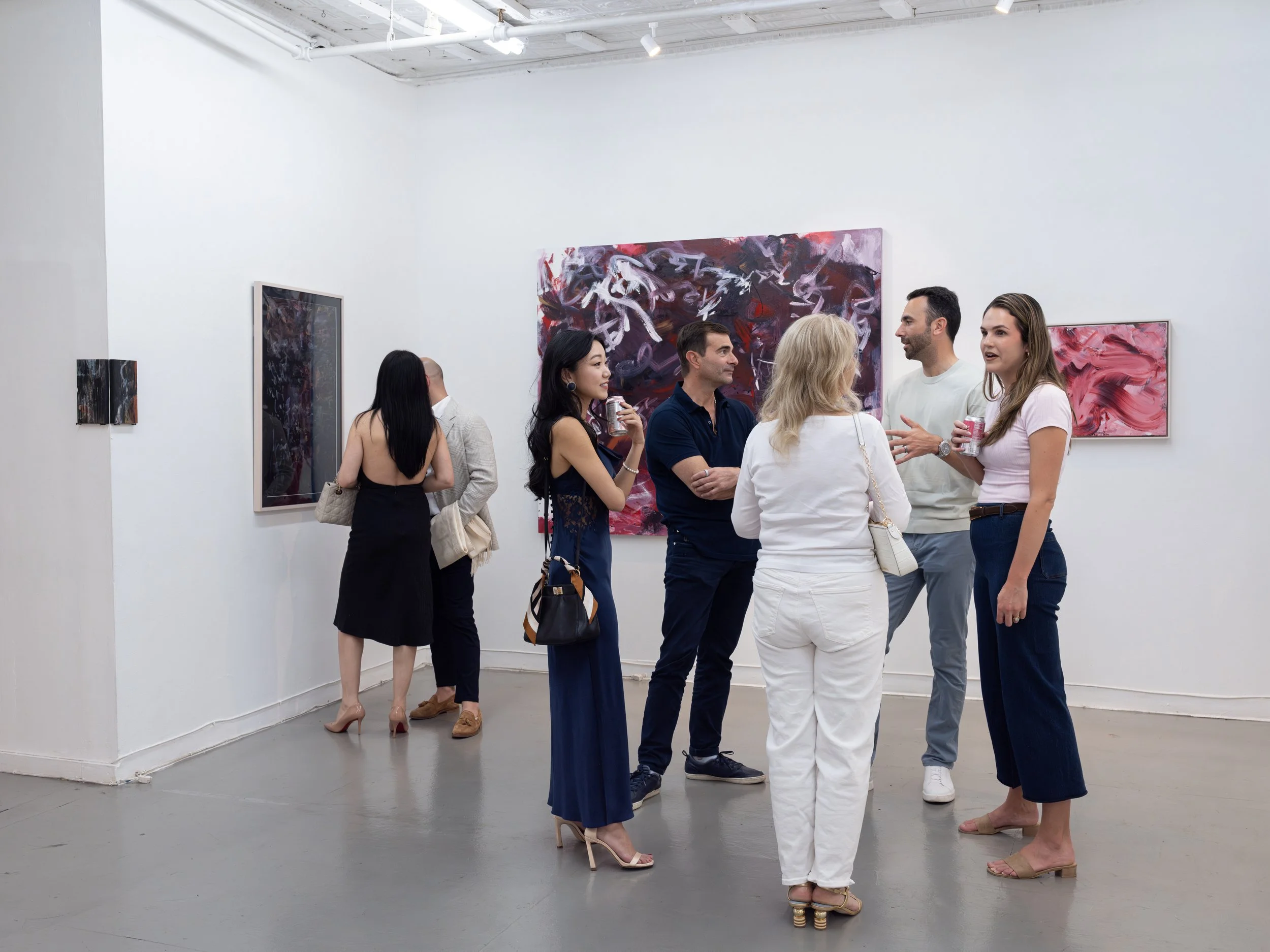
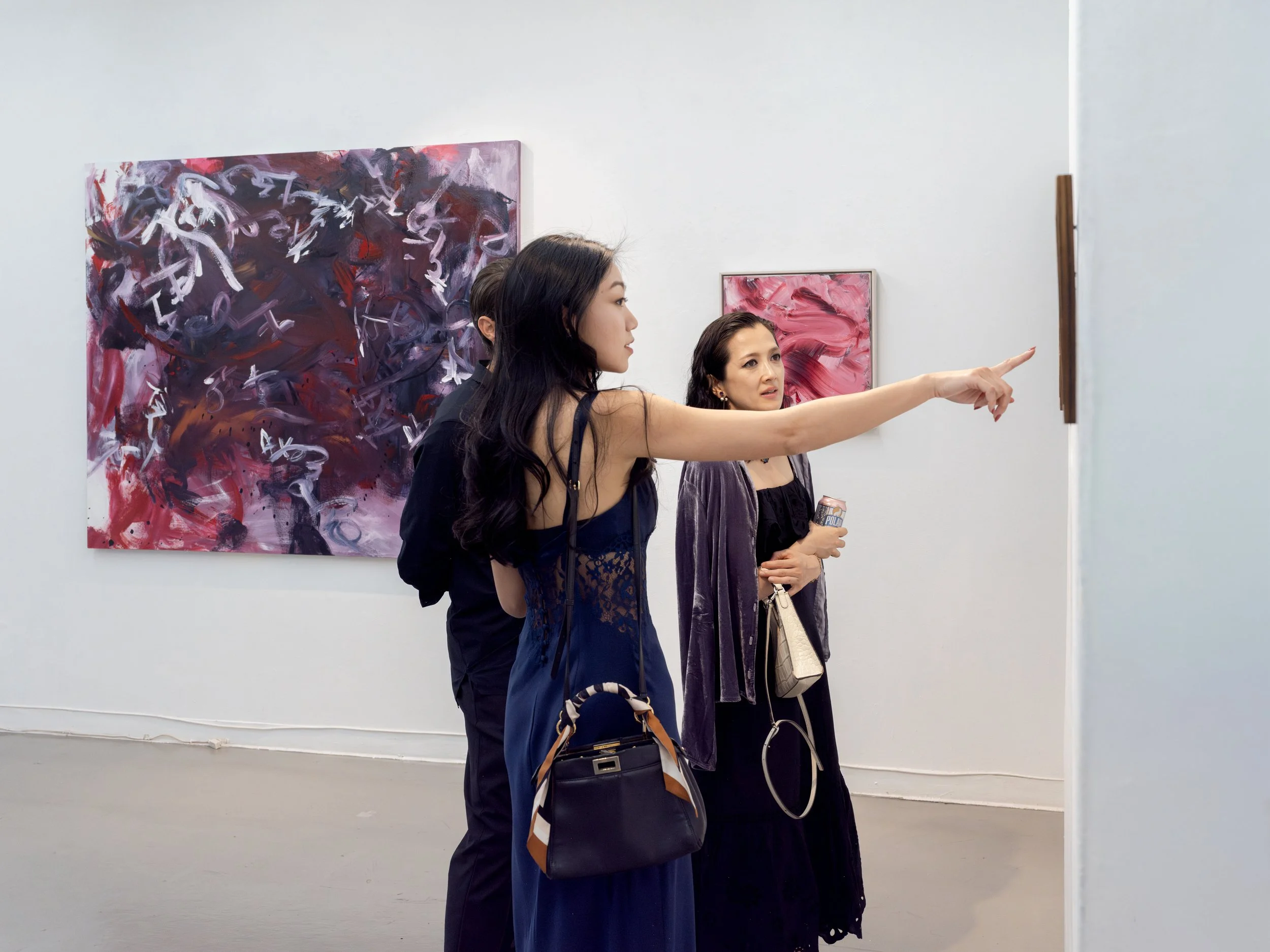
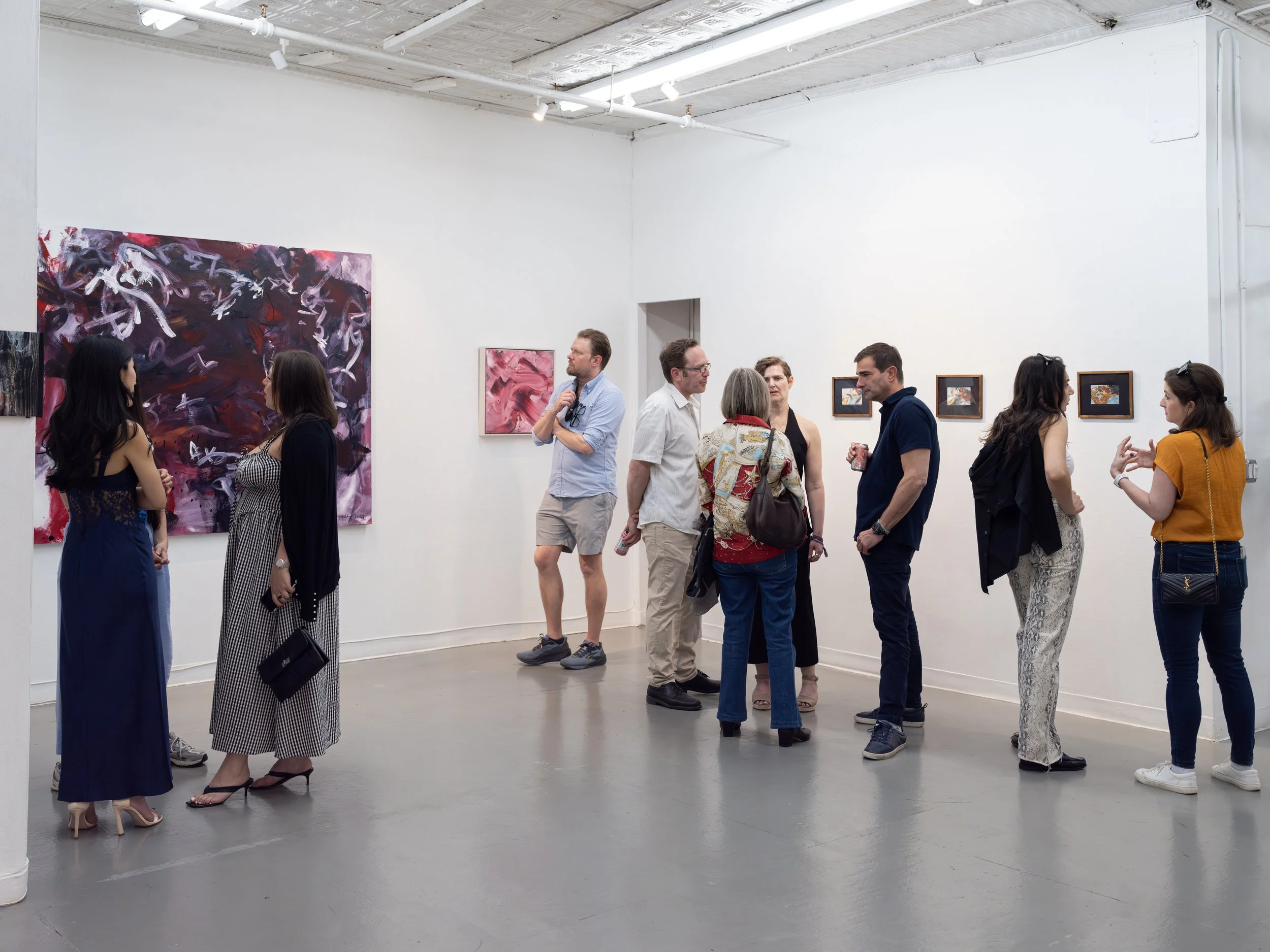
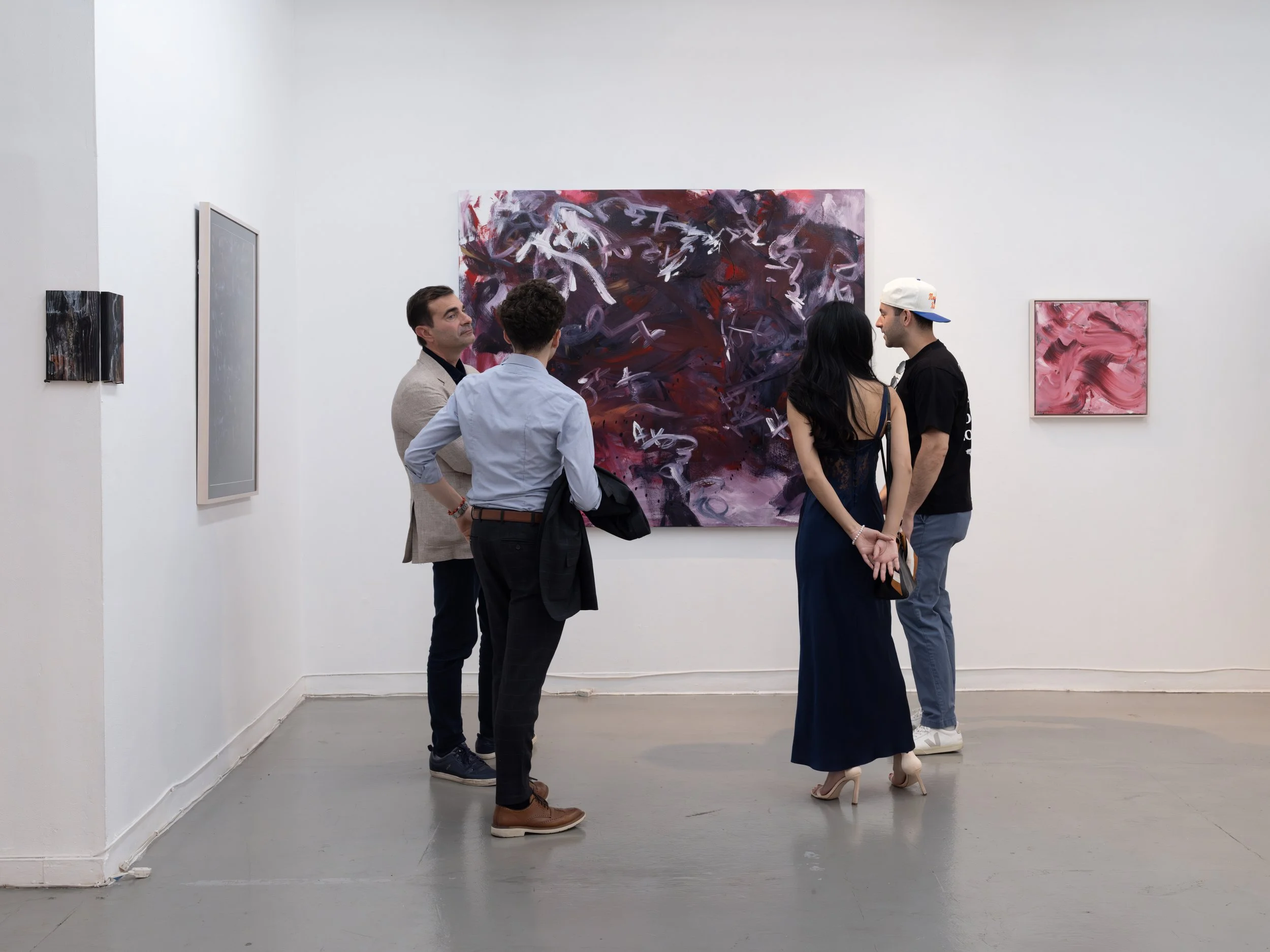


Exhibition Opening, Fanyu Lin: A Line That Forgot Its Name, Chinese American Arts Council | Gallery 456, New York, 2026. Photography by Yuhan Shen
Whitehot Magazine
After Language Withdraws
By Shuhan Zhang
“When Susan Sontag wrote these words in Against Interpretation, she was resisting modern culture’s persistent pursuit of meaning. Looking is often understood as an act of decoding; we approach artworks through analysis, classification, and interpretation, as though their value ultimately resides in a conclusion waiting to be extracted. Yet before The Line That Forgot Its Name, Fanyu Lin’s solo exhibition curated by Xumeng Zhang and presented at Gallery 456 in New York, this mode of viewing quickly begins to falter…”
World Journal
Reexamining the transformation between writing and the body
By Hangyu Fan
“Centered on the motif of the ‘line,’ the exhibition explores how marks can bridge language and emotion while drawing upon the artist's experience with art therapy to reconsider the fluid relationship between writing and physical expression… Curator Xumeng Zhang, whose background includes art therapy, believes the exhibition embodies the collaborative process of redefining an artist’s creative language. ‘Artists’ interpretations of their own work are often subjective and fragile. Working with a curator felt like traveling together,’ Lin says.”
Sing Tao Daily
Using painting to trace the paths of emotion and memory
“Bringing together works created between 2021 and the present, the exhibition explores the transformation of personal experience, emotional memory, and self-awareness through lines, traces of writing, and emotionally charged symbols… Two works created during the same period reveal strikingly different emotional states. According to Lin, one emerged from conflict and disappointment within an intimate relationship, expressing doubt about her own role and identity. The other reflects feelings of being loved and protected, carrying a far more positive emotional energy. Together, they reveal the complexity of love while also reflecting Lin's belief that kindness and darkness coexist within human nature.”
“But the line dividing good and evil cuts through the heart of every human being. And who is willing to destroy a piece of his own heart?”
- Aleksandr Solzhenitsyn